




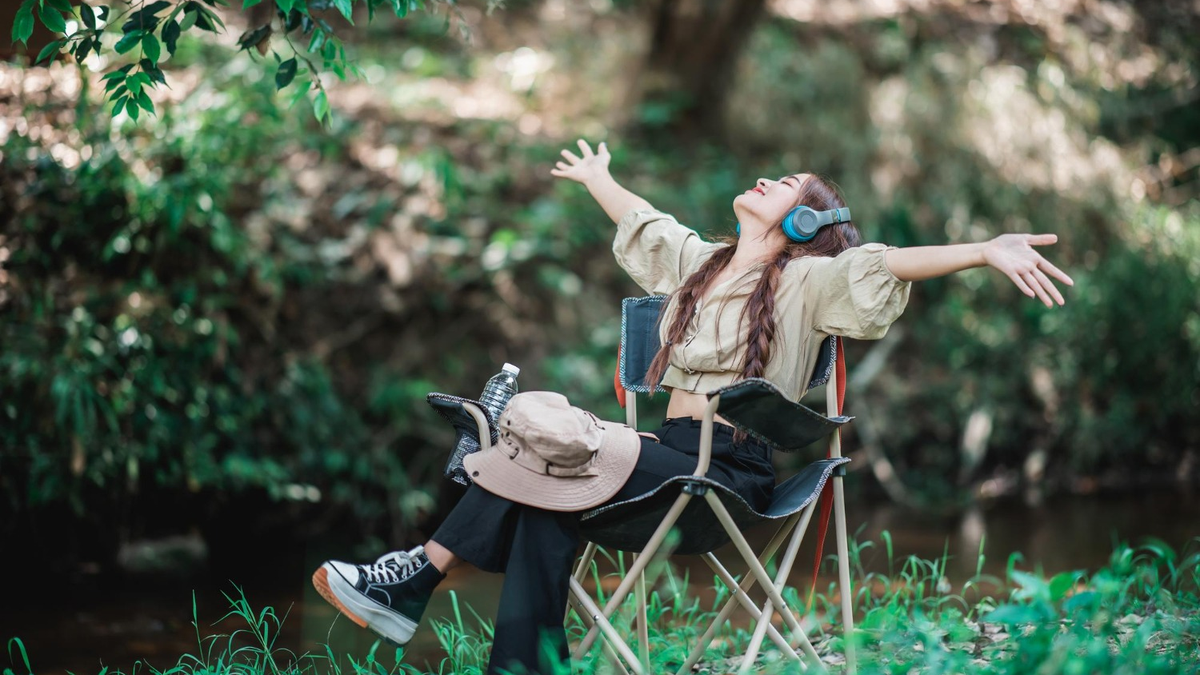
Spending time alone doesn't have to mean feeling lonely. In fact, it can be one of the best opportunities to recharge, learn something new, and reconnect with yourself.
Whether you're looking for a creative outlet, a healthier way to unwind after work, or simply a break from endless scrolling, there's a solo hobby that fits your lifestyle. Some hobbies help you relax. Others challenge your mind, improve your fitness, or teach practical skills that stay with you for life.
In this article, you'll discover 40 of the best solo hobbies across different categories, along with tips for choosing one you'll actually stick with.
Why Solo Hobbies Matter (More Than You Think)
Modern life rarely gives us uninterrupted time to think. Notifications compete for our attention, work follows us home, and social media often fills every quiet moment.
That's why solo hobbies have become more valuable than ever.
Research consistently shows that engaging in enjoyable leisure activities can reduce stress, improve mood, and increase overall life satisfaction. Hobbies also create opportunities to experience "flow," a mental state where you're completely absorbed in what you're doing. During flow, worries fade into the background, and time seems to pass effortlessly.
Solo hobbies also offer benefits that group activities sometimes can't:
- You move at your own pace.
- There's no pressure to perform.
- You can focus entirely on your interests.
- They encourage creativity and independent thinking.
- Many provide a healthy break from screens.
Most importantly, they remind you that being alone can be deeply fulfilling rather than something to avoid.
The 3-Hobby Rule (and the 5-Hobby Rule) Explained
You've probably seen people recommend the "3-hobby rule" online. While it's not backed by scientific research, it's a helpful way to create a balanced lifestyle.
The idea is simple:
- One hobby to make you money or improve your career.
- One hobby to keep you healthy.
- One hobby just for pure enjoyment.
For example, someone might freelance as a photographer, go hiking for exercise, and build miniature models simply because they love creating things.
Some people expand this into the 5-hobby rule, adding:
- One hobby that helps you connect with other people.
- One hobby that helps you learn continuously.
These categories often overlap. Learning a language might improve your career and connect you with new communities. Gardening can improve both physical and mental health.
Rather than treating these as strict rules, think of them as inspiration. The goal isn't to collect hobbies. It's to build a life that feels balanced, meaningful, and enjoyable.
Creative Solo Hobbies

1. Drawing and Sketching
You don't need expensive supplies or professional talent to start drawing. A simple pencil and sketchbook are enough. Sketching improves observation skills, encourages creativity, and gives your mind something calming to focus on.
2. Watercolor Painting
Watercolors are forgiving, affordable, and surprisingly relaxing. Watching colors blend naturally encourages experimentation instead of perfection.
3. DIY Miniature Building
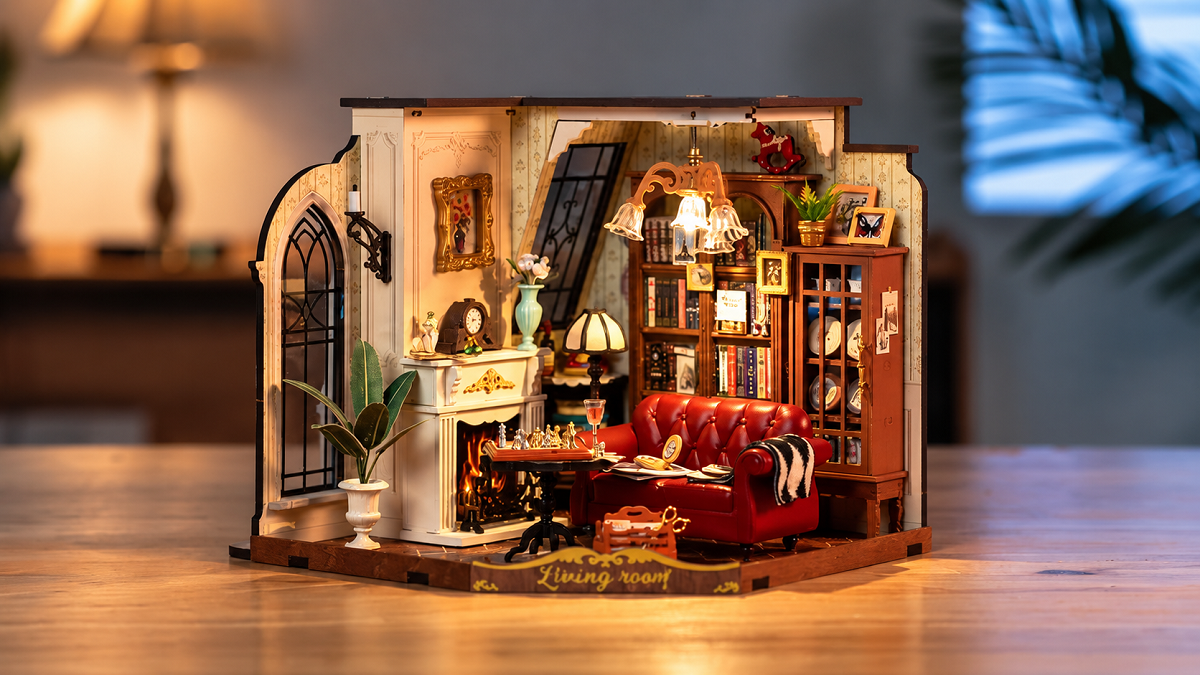
Building miniature houses, room scenes, or tiny cafés combines creativity with problem-solving. Instead of creating something on a screen, you're assembling detailed physical pieces that gradually become an intricate display.
Many people enjoy miniature building because it encourages patience and provides a satisfying sense of accomplishment as each section comes together.
4. 3D Wooden Puzzle Building
Unlike traditional jigsaw puzzles, 3D wooden puzzles challenge both your creativity and spatial reasoning. Mechanical models, architecture kits, and vehicles transform flat wooden pieces into impressive display-worthy creations.
They're especially rewarding if you enjoy working with your hands and seeing tangible progress.
5. Creative Writing
Writing short stories, poetry, or personal essays lets you explore ideas without worrying about an audience. Even writing for ten minutes a day can become a relaxing habit.
6. Photography
Photography changes how you see the world. Instead of rushing through your day, you begin noticing interesting light, textures, colors, and everyday moments. Your smartphone is more than enough to get started.
7. Knitting or Crochet
These repetitive movements can feel almost meditative while producing scarves, blankets, or gifts you'll actually use.
8. Adult Coloring Books
Coloring isn't just for children. Intricate designs help many adults slow down and focus, making it a surprisingly effective stress reliever.
9. Pottery and Ceramics
Working with clay is tactile, creative, and naturally screen-free. Hand-building or wheel throwing gives you a practical skill to improve while producing objects you can use or display.
10. Embroidery
Embroidery is quiet, portable, and easy to begin with a small hoop, fabric, and thread. Repeating simple stitches can feel calming while gradually forming a detailed design.
11. Woodworking
Woodworking combines design, hands-on problem-solving, and visible skill progression. You can begin with a small carving or simple household project before moving to more complex builds.
12. Terrarium Building
Building a terrarium lets you arrange plants, stones, and natural textures into a miniature landscape. Caring for the finished piece extends the hobby beyond the initial creative project.
13. Model Building
Model building rewards patience and precision as individual parts become a detailed finished object. Vehicles, architecture, miniatures, and mechanical models offer many directions to explore.
Mindful and Reflective Solo Hobbies

14. Journaling
Writing down your thoughts helps organize emotions, track personal growth, and reduce mental clutter. You don't need to write pages every day. Even a few honest sentences can make a difference.
15. Meditation
Meditation teaches you to observe your thoughts instead of becoming overwhelmed by them. Just five to ten minutes daily can improve focus and emotional regulation.
16. Reading
Reading remains one of the easiest ways to relax while expanding your perspective. Fiction develops empathy, while nonfiction helps you learn new ideas and practical skills.
17. Calligraphy
The slow, deliberate strokes of calligraphy encourage concentration while helping you create beautiful handwritten pieces.
18. Nature Observation
Sit quietly in a park, your backyard, or near a window. Watch birds, clouds, insects, or changing seasons without distractions. It's surprisingly calming.
19. Jigsaw Puzzles
Jigsaw puzzles provide a slower, more visual challenge than crosswords or Sudoku. Sorting shapes and colors keeps your hands busy while giving your mind a calm, focused task.
20. Bonsai
Bonsai combines patient plant care with careful shaping over months and years. Its slow progress makes it especially rewarding if you enjoy quiet routines and visible long-term development.
Physical Solo Hobbies

21. Walking
Walking is simple, free, and incredibly effective for both physical and mental health. Changing your route occasionally keeps things interesting.
22. Running
Running builds endurance while providing valuable alone time. Many runners describe it as moving meditation.
23. Yoga
Yoga combines movement, flexibility, and mindfulness, making it one of the best hobbies for reducing everyday stress.
24. Cycling
Whether you're exploring local neighborhoods or scenic trails, cycling offers exercise alongside a sense of adventure.
25. Archery
Archery combines physical control with concentration and steady skill progression. Practicing at a range can become a focused solo hobby with clear goals to work toward.
26. Bouldering
Bouldering turns climbing into a problem-solving hobby you can practice without a belay partner. Each route challenges your strength, balance, and technique in a different way.
27. Swimming
Swimming is a low-impact solo activity that builds endurance while creating uninterrupted time to focus on rhythm, breathing, and technique.
Intellectual and Skill-Building Solo Hobbies

28. Learning a Language
Apps, podcasts, books, and videos have made language learning more accessible than ever. Even fifteen minutes a day adds up over time.
29. Chess
Playing against computer opponents sharpens strategic thinking while providing endless challenges.
30. Coding
Learning basic programming develops logical thinking and may even open new career opportunities.
31. Stargazing and Astronomy
Learning the night sky can begin with nothing more than a clear evening and a free astronomy app. Over time, you can identify constellations, track planets, and explore deeper questions about space.
32. Playing a Musical Instrument
Learning piano, guitar, or ukulele strengthens memory, coordination, and patience. Progress may be gradual, but it's incredibly rewarding.
33. Puzzle Solving
Crosswords, Sudoku, logic puzzles, and brain teasers keep your mind active while providing satisfying mental challenges.
34. Cooking New Recipes
Trying recipes from different cuisines teaches practical life skills while giving you something delicious to enjoy afterward.
Outdoor Solo Hobbies

35. Gardening
Growing flowers, herbs, or vegetables connects you with nature while teaching patience. Watching plants thrive because of your care is deeply satisfying.
36. Hiking
Exploring local trails provides exercise, fresh air, and a welcome break from daily routines.
37. Birdwatching
Birdwatching encourages observation and patience. You may be surprised how many species live nearby.
38. Geocaching
Think of geocaching as a modern treasure hunt using GPS coordinates to locate hidden containers around your city.
39. Urban Exploration
Visit neighborhoods you've never explored, admire local architecture, discover independent cafés, or photograph interesting buildings. Seeing familiar places with fresh eyes can be surprisingly refreshing.
40. Fishing
Fishing encourages patience, observation, and time outdoors away from daily distractions. It can be as simple as a quiet local outing or develop into a deeper interest in techniques and local waters.
Budget-Friendly Solo Hobbies (Under $20 to Start)
You don't need an expensive setup to enjoy a fulfilling hobby. Many great options cost less than a dinner out.
Starting small also reduces pressure. If you genuinely enjoy a hobby, you can always invest more later.
| Hobby | Estimated Starting Cost |
|---|---|
| Walking | Free |
| Journaling | $5–15 |
| Reading (Library) | Free |
| Sketching | $10–20 |
| Meditation | Free |
| Photography (Phone) | Free |
| Adult Coloring | $10–15 |
| Yoga (YouTube) | Free |
| Sudoku & Crosswords | Free |
| Nature Observation | Free |
| Creative Writing | Free |
| Chess Apps | Free |
Solo Hobbies That Can Still Be Social
One of the biggest misconceptions about solo hobbies is that they isolate you.
In reality, many independent activities naturally create opportunities to connect with others whenever you choose.
For example:
- Join a local book club after reading on your own.
- Share photography on online communities.
- Participate in hiking groups occasionally.
- Take part in local gardening clubs.
- Join language exchange meetups.
- Share your artwork on social media.
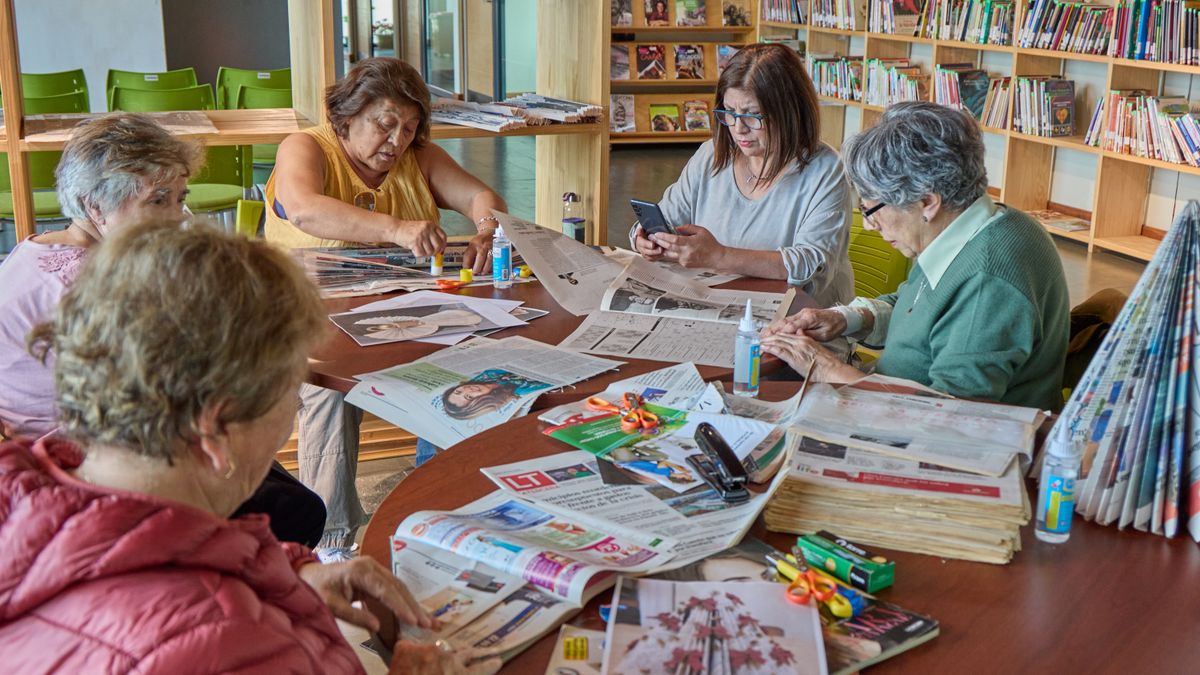
- Attend miniature-building or puzzle workshops.
- Participate in online writing communities.
The hobby itself remains personal, but the community around it can be as social as you want it to be.
How to Pick the Right Solo Hobby for You
Finding a hobby isn't about choosing the "best" one. It's about finding something you'll genuinely look forward to. Start by asking yourself a few simple questions.

- What do you want from your free time? If you're exhausted after work, choose something calming like reading, painting, or journaling. If you have lots of energy, hiking or cycling might be a better fit.
- Do you enjoy creating or consuming? Some people love making things with their hands. Others prefer learning, exploring ideas, or solving problems.
- How much time do you realistically have? Be honest. A hobby that fits into 20 minutes a few evenings each week is far more sustainable than one that requires several uninterrupted hours.
- What's your budget? Don't assume an expensive hobby is automatically more rewarding. Many lifelong hobbies begin with little or no investment.
- Would you enjoy visible progress? Some hobbies, such as miniature building, learning guitar, gardening, or drawing, let you clearly see how much you've improved over time. That visible progress can be highly motivating.
Finally, give yourself permission to quit hobbies that don't click. Trying something new isn't a commitment for life. Sometimes the right hobby is simply the next one you haven't discovered yet.
Conclusion
Solo hobbies aren't about keeping yourself busy. They're about creating moments that help you relax, learn, grow, and enjoy your own company. Whether you prefer painting, hiking, journaling, reading, building miniatures, or learning new skills, the best hobby is the one you'll happily return to again and again. Start with something that sparks your curiosity, keep your expectations realistic, and let the experience evolve naturally.
You might discover that spending time alone becomes one of the most rewarding parts of your week.
FAQs
What is the best hobby to do alone?
The best solo hobby depends on your interests and goals. Reading, journaling, hiking, painting, photography, miniature building, yoga, and learning a language are all excellent options because they can be enjoyed at your own pace.
Are solo hobbies good for mental health?
Yes. Many solo hobbies help reduce stress, improve focus, encourage mindfulness, and provide a healthy break from digital distractions. Creative and physical hobbies can also boost mood and increase overall well-being.
What are some inexpensive solo hobbies?
Walking, journaling, sketching, reading library books, meditation, creative writing, photography with your phone, Sudoku, and nature observation all require little to no upfront cost.
How do I stick with a new hobby?
Start small instead of trying to master everything at once. Set aside a regular time each week, focus on enjoying the process rather than perfect results, and choose something that genuinely interests you rather than what's currently popular.
Can solo hobbies help me make friends?
Absolutely. Many solo hobbies have active communities, clubs, workshops, and online groups where you can connect with people who share similar interests while still enjoying the hobby independently.
Related Reading:

Quincy Ihendeson
Quincy is an experienced writer, passionate about creating engaging blogs. She has been researching and crafting high-quality content since 2023. She currently contributes to Robotime, sharing her DIY journey and stories.
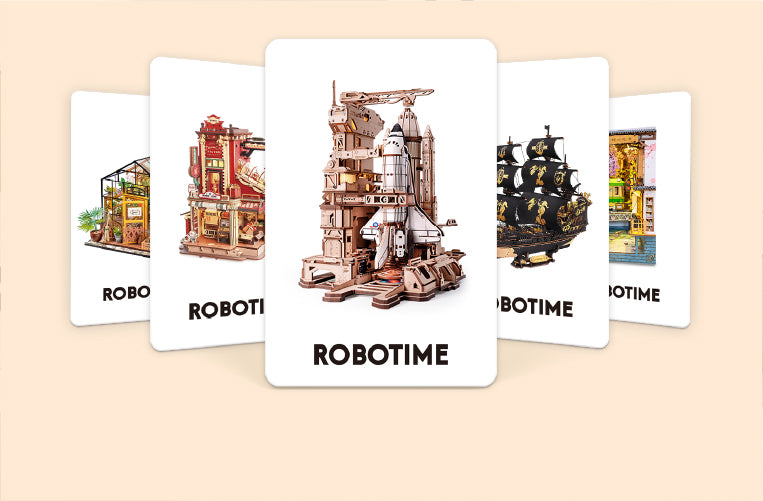
Robotime is a creative lifestyle company dedicated to designing and developing 3D puzzles, toys, and wooden handicrafts. Subscribe to learn more.
Enjoy Robotime building guides and creative inspiration?
Add Robotime as a Preferred Source on Google to see more of our latest stories in Search.
 Add Robotime to your Preferred Sources
Quincy Ihendeson
Quincy is an experienced writer, passionate about creating engaging blogs. She has been researching and crafting high-quality content since 2023. She currently contributes to Robotime, sharing her DIY journey and stories.



Leave a comment
This site is protected by hCaptcha and the hCaptcha Privacy Policy and Terms of Service apply.