


Have you ever looked up from a hobby and realized two hours disappeared without you noticing? Maybe you were painting, solving a puzzle, gardening, or building a miniature house. You weren't thinking about work, notifications, or tomorrow's to-do list. You were simply absorbed in the moment.
That experience is called flow, and it's one of the most rewarding mental states you can experience. It's why certain hobbies leave you feeling energized instead of drained.
In this guide, you'll learn what a flow state is, why some hobbies naturally trigger it, how to discover activities that work for you, and practical ways to create the perfect conditions for getting "in the zone."
What Is a Flow State?
A flow state is a mental state where you're completely immersed in an activity. Your attention becomes fully focused, distractions fade away, and the task itself becomes rewarding.
The concept was introduced by psychologist Mihaly Csikszentmihalyi, who described flow as the optimal experience where people perform at their best while genuinely enjoying the process. Instead of forcing yourself to concentrate, concentration happens naturally.
You may be experiencing flow if you notice that:
- Time seems to pass much faster than expected.
- You're fully focused on one task.
- Outside worries temporarily disappear.
- You feel challenged but not overwhelmed.
- The activity feels rewarding even without external recognition.
- You naturally want to continue once you start.
- You finish feeling mentally refreshed rather than exhausted.
Why Do Some Hobbies Create Flow Better Than Others?
Not every hobby is equally effective at creating flow. Some activities are specifically designed in ways that naturally encourage deep concentration. Here are the biggest reasons why.

They Balance Challenge and Skill
Flow happens when a task is neither too easy nor too difficult. If an activity is overly simple, boredom sets in. If it's too challenging, frustration takes over. The ideal hobby gradually stretches your abilities while remaining achievable.
Examples include:
- Learning increasingly complex knitting patterns
- Completing higher-difficulty jigsaw puzzles
- Building progressively more detailed miniature kits
- Advancing from beginner to intermediate watercolor painting
This steady progression keeps your brain engaged.
They Have Clear Goals
The brain enjoys knowing exactly what it's working toward. Hobbies with visible progress tend to create stronger flow because each completed step motivates the next.
Examples include:
- Finishing a section of embroidery
- Completing one wall of a miniature house
- Painting one area of a canvas
- Solving another row in a crossword
Small wins maintain momentum.
They Provide Immediate Feedback
Flow thrives when your actions produce immediate results. When carving wood, every cut changes the shape. When painting, every brushstroke changes the image. When assembling a DIY miniature or 3D wooden puzzle, each completed piece visibly transforms the project. Instant feedback keeps your attention anchored in the present.
They Reduce Decision Fatigue
Many people spend all day making decisions. The best flow hobbies simplify that process. Instead of wondering what to do next, the activity naturally guides your attention toward the next step.
Instruction-based creative hobbies are especially effective because they provide enough structure to eliminate unnecessary thinking while still leaving room for creativity.
They Engage Multiple Senses
Activities involving sight, touch, and movement often produce deeper immersion. Examples include:
- Pottery
- Woodworking
- Baking
- Gardening
- Miniature building
- Needle felting
Using your hands helps shift attention away from constant thinking and toward physical creation.
They Minimize External Distractions
Flow requires uninterrupted attention. Many hobbies naturally encourage putting your phone aside because both hands are occupied or your focus becomes highly visual. This uninterrupted concentration allows the brain to enter deeper levels of engagement.
Examples of Hobbies That Frequently Create Flow
Everyone experiences flow differently, but certain hobbies consistently help people reach it.
Painting and Drawing

Creative arts naturally encourage mindfulness. Whether working with acrylics, watercolors, colored pencils, or digital illustration, artists often enter flow by concentrating on shapes, colors, textures, and gradual improvements.
Knitting and Crocheting
Once basic techniques become familiar, repetitive stitching creates a calming rhythm. The combination of hand movement and steady progress often produces deep concentration similar to meditation.
Gardening

Gardening combines physical movement with repetitive tasks. Planting, pruning, watering, and caring for plants encourages slower thinking while providing visible long-term rewards. Many gardeners describe losing themselves for hours outdoors.
Woodworking
Woodworking requires planning, precision, and craftsmanship. Every measurement and cut demands attention, making it easier to forget outside distractions.
Solving 3D Wooden Puzzles
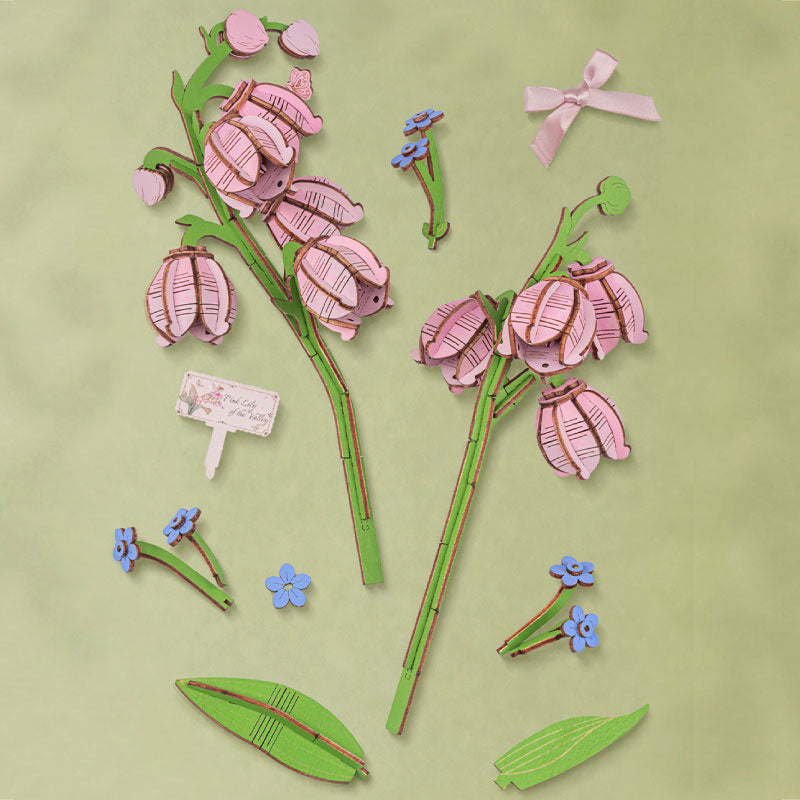
Unlike traditional puzzles, 3D wooden puzzles involve spatial reasoning, precision, and mechanical thinking. Every successful connection builds momentum, making it easier to stay fully engaged. Projects become increasingly rewarding as recognizable structures emerge piece by piece.
Cooking and Baking
Preparing meals from scratch engages multiple senses. Measuring ingredients, mixing, decorating, and timing recipes provide constant feedback that keeps attention focused.
Playing Musical Instruments
Musicians frequently experience flow while practicing or performing. Reading notes, coordinating movement, and responding to sound requires complete attention, leaving little room for wandering thoughts.
Photography
Photography encourages you to observe the world differently. Searching for lighting, composition, textures, and unique perspectives naturally shifts attention toward the present moment.
Writing
Whether journaling, storytelling, or blogging, writing can become deeply immersive once ideas begin flowing naturally. Many writers report that words seem to appear almost effortlessly after the initial momentum builds.
Building DIY Miniatures
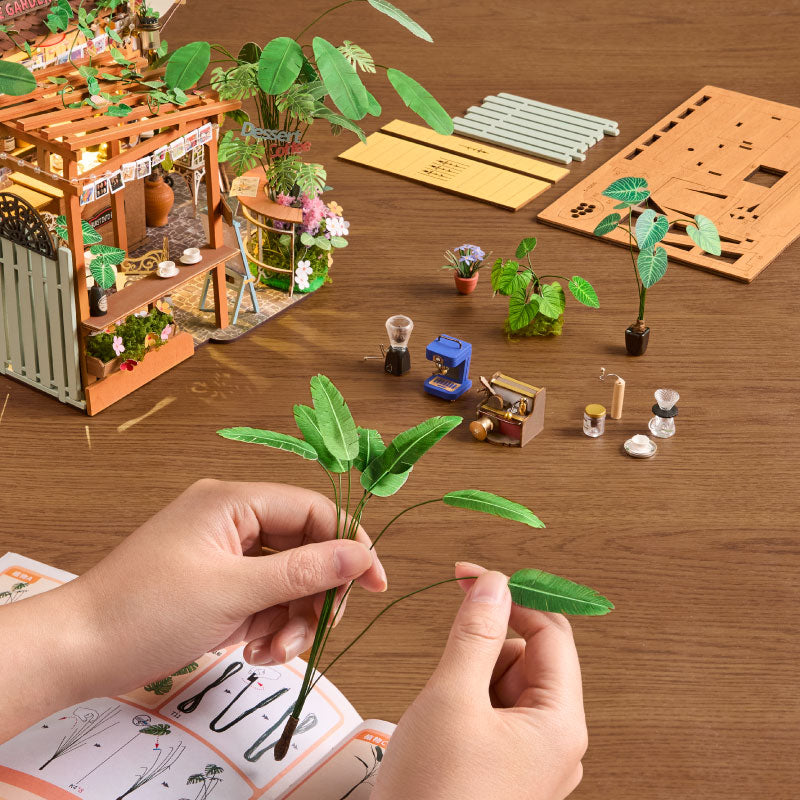
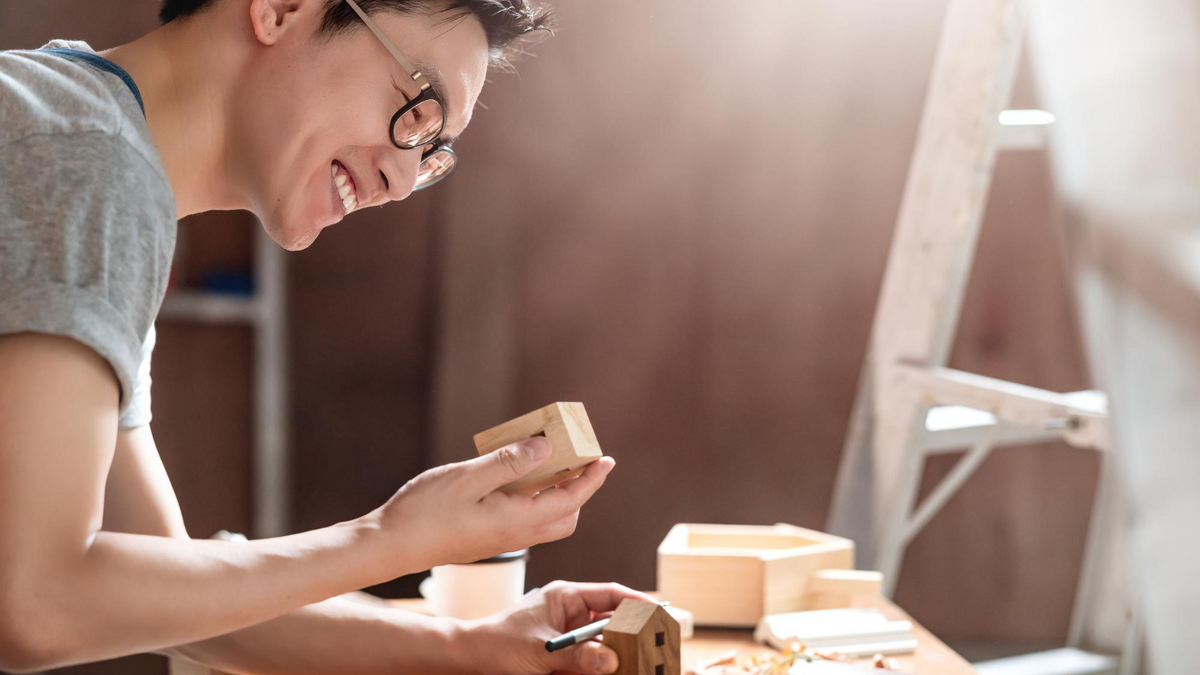
Creating miniature houses combines creativity, problem-solving, patience, and hands-on construction. Each completed section offers immediate satisfaction while gradually revealing a finished scene.
Because the work is broken into manageable steps, builders often lose track of time while assembling furniture, decorating interiors, and adding tiny details. For many hobbyists, building a DIY miniature house becomes a relaxing evening ritual that encourages sustained focus without feeling mentally overwhelming.
How to Find Your Own Flow Hobby
Finding your ideal hobby isn't about choosing what's popular. It's about discovering activities that naturally capture your attention. Here are practical ways to identify yours.

Notice When Time Disappears
Think about moments when you've accidentally spent much longer on an activity than you intended.
Ask yourself:
- What was I doing?
- Was I creating something?
- Was I solving a problem?
- Was I learning a skill?
Those experiences offer valuable clues.
Choose Process Over Results
Many people quit hobbies because they focus only on the finished product. Instead, ask yourself: "Would I still enjoy this if nobody ever saw the result?" If the answer is yes, you're much more likely to experience flow.
Start Small
Avoid investing heavily before knowing whether you enjoy the activity. Begin with beginner-friendly projects. For example:
- A small embroidery kit
- A beginner painting set
- An easy puzzle
- A simple DIY miniature kit
- A beginner-friendly 3D wooden puzzle
Small successes build confidence.
Match the Hobby to Your Personality
Different personalities enjoy different types of flow. If you enjoy creativity, try:
- Painting
- Miniature building
- Crafting
- Pottery
If you enjoy logical thinking:
- Chess
- Mechanical puzzles
- Coding
- Model building
If you enjoy movement:
- Rock climbing
- Dancing
- Martial arts
- Cycling
Choose hobbies that fit how your brain naturally works.
Give It Time
Flow rarely happens during your first attempt. Most people need several sessions before an activity feels natural enough to become immersive. Be patient while learning.
Reduce Pressure
Avoid turning every hobby into a side hustle. The moment every session becomes about productivity or income, flow often becomes harder to achieve. Leave room for play.
Common Mistakes That Prevent Flow
Sometimes the problem isn't the hobby itself but how you approach it.
Choosing Activities That Are Too Difficult
Starting with advanced projects often creates frustration instead of enjoyment. Challenge yourself gradually.
Constantly Checking Your Phone
Every notification interrupts concentration. Even brief interruptions can reset your attention and delay returning to deep focus.
Multitasking
Watching television, replying to messages, and working on your hobby simultaneously makes flow much less likely. Single-tasking is far more effective.
Comparing Yourself to Others
Social media can create unrealistic expectations. Remember that you're building skills, not competing with professionals. Celebrate your own progress.
Expecting Instant Mastery
Flow develops as your skills improve. Allow yourself to be a beginner. Mistakes are part of learning.
Choosing Hobbies You Think You Should Enjoy
Just because a hobby is trendy doesn't mean it's right for you. If an activity consistently feels forced, it's okay to try something different.
How to Create Better Conditions for Flow
Even the right hobby benefits from the right environment.

- Remove distractions: Silence notifications. Put your phone out of reach. Tell others you'll be unavailable for a while if possible. Protect your attention.
- Prepare your workspace: Gather everything you need before starting. Whether it's paint, puzzle pieces, knitting needles, or miniature components, having supplies within reach reduces interruptions.
- Set aside dedicated time: Flow becomes easier when your brain expects uninterrupted creative time. Even 30 to 60 minutes can be enough to become fully immersed. Consistency often matters more than duration.
- Choose the right level of challenge: If a project feels too easy, increase the difficulty. If it feels overwhelming, choose something simpler. Keeping the challenge aligned with your current skill level makes flow more accessible.
- Work in comfortable lighting: Good lighting reduces eye strain and helps you stay focused longer. A clean, organized workspace also minimizes unnecessary distractions.
- Listen to background audio carefully: Some people focus best in complete silence. Others prefer instrumental music, nature sounds, or ambient noise. Experiment to discover what helps you concentrate without pulling your attention away.
- Embrace hands-on creative projects: Physical hobbies often make it easier to disconnect from screens and stay engaged. Activities like assembling a wooden puzzle naturally combine creativity, fine motor skills, and step-by-step progress. Because each piece contributes to a visible result, these projects encourage the sustained attention that's often associated with flow. The goal isn't to finish quickly; it's to enjoy the building process itself.
Conclusion
Flow isn't something you force; it's something you create the conditions for. The right hobby challenges you just enough, rewards your progress, and keeps your attention anchored in the present. Whether that's painting, gardening, woodworking, or building a detailed miniature scene, the best hobby is the one that makes you forget the clock and enjoy the process.
Related Reading: What Is Mindful Crafting? How Making Things by Hand Reduces Stress.
FAQs
Can anyone experience a flow state?
Yes. Most people are capable of entering flow when they're engaged in an activity that matches their skill level, provides clear goals, and allows uninterrupted focus.
How long does it take to enter flow?
It varies from person to person. Many people need 15 to 30 minutes of uninterrupted concentration before they begin to feel fully immersed.
Is flow the same as mindfulness?
Not exactly. Mindfulness involves intentionally paying attention to the present moment, while flow happens when you're so engaged in an activity that focused attention arises naturally. The two experiences share similarities but are distinct.
Are creative hobbies better for flow than physical hobbies?
Not necessarily. Creative hobbies like painting or miniature building and physical activities like climbing, dancing, or swimming can all trigger flow. The key is finding the right balance between challenge and your current skill level.
Why do I lose focus so easily during hobbies?
Common reasons include frequent interruptions, unrealistic expectations, fatigue, choosing projects that are too easy or too difficult, or trying to multitask. Creating a distraction-free environment and selecting an appropriately challenging activity can make a significant difference.
Are DIY miniature houses good for stress relief?
Many people find miniature building relaxing because it combines creativity, repetitive hand movements, and steady progress toward a clear goal. These qualities make it well-suited for encouraging focused attention and helping you unwind after a busy day.


Quincy Ihendeson
Quincy is an experienced writer, passionate about creating engaging blogs. She has been researching and crafting high-quality content since 2023. She currently contributes to Robotime, sharing her DIY journey and stories.
Robotime is a creative lifestyle company dedicated to designing and developing 3D puzzles, toys, and wooden handicrafts. Subscribe to learn more.
Quincy Ihendeson
Quincy is an experienced writer, passionate about creating engaging blogs. She has been researching and crafting high-quality content since 2023. She currently contributes to Robotime, sharing her DIY journey and stories.
Robotime is a creative lifestyle company dedicated to designing and developing 3D puzzles, toys, and wooden handicrafts. Subscribe to learn more.



Leave a comment
This site is protected by hCaptcha and the hCaptcha Privacy Policy and Terms of Service apply.