





There was a time when hobbies like knitting, gardening, baking, or birdwatching were seen as “boomer pastimes,” i.e., hobbies associated with older generations. But these very hobbies are now becoming quite popular among Gen Z and Millennials, since these younger generations are more likely to digitally unplug themselves and reduce their screen time. That’s how many such traditional pastimes are getting a fresh, modern identity.
Gen Z loves meditative activities that are slow and meaningful, activities in which you create something with your hands. Younger adults are now growing tired of smartphones; they just want to relax without putting another screen in front of their faces. So, traditional hobbies give them a chance to enjoy a sense of accomplishment.
Why Boomer Hobbies Are Suddenly Cool Again
Recent studies have observed that Gen Z folks are cutting back on screen time. Even their older predecessors aren’t as passionate about getting rid of the screen! Research says that over 60% of Gen Z members disconnect from their devices on purpose, which is a higher rate than any other generation alive! Here are some reasons why this anti-screen movement is building up:
- Screen Fatigue: Many Gen Z members suffer from screen fatigue. Digital apps make it easier for us to work and find entertainment, but constant connectivity can sometimes become quite overwhelming. Traditional hobbies allow Gen Z folks to spend some time NOT staring at a blue-light-emitting device.
- Visible Success: Even if you’re the world’s #1 Elder Ring player, your success exists solely in the digital world; the enemies you vanquished or the fortresses you built aren’t real. But traditional hobbies offer visible results; creating a handmade project gives you something tangible, such as a knitted scarf, painted canvas, miniature room, freshly baked loaf, etc.
- Nostalgia: Gen Z and Millennials often discover boomer hobbies by talking to their grandparents, looking at vintage aesthetics, wandering in thrift stores, or scrolling through online “grandmacore” & “cottagecore” content. They become nostalgic for a time period when these hobbies were the only available means of entertainment, a time when letters & telegrams were the fastest means of communication, and when watching a movie was truly a unique & memorable experience.
- Socialization: Classic hobbies are naturally social. Other people can join your craft circle or book club. You can create gardening groups or local dance classes. This is a great way to meet new people while also doing something enjoyable.
12 Boomer Hobbies Making a Comeback
1. Knitting

Knitting is no longer limited to thick winter sweaters and traditional scarves. Younger crafters are making colorful tops, handbags, decorations, and gifts. The repeated motions can be relaxing, while the finished product offers a rewarding sense of achievement. Inglewood has become a mecca for Gen Z knitters obsessed with this mind-soothing pastime.
2. Crocheting
Crocheting has become especially popular among Gen Z and Millennials because beginners can create small projects relatively quickly. Hats, blankets, plush toys, flowers, and tote bags are common choices. Social media has also made it easy to find free patterns, tutorials, and creative inspiration.
3. Gardening

Gardening is thriving among people who live in apartments or urban areas. Instead of needing a large backyard, beginners can grow herbs on a windowsill, keep plants on a balcony, or participate in a community garden. Gardening combines creativity with outdoor time and gives people the satisfaction of caring for living things.
4. Baking
Homemade bread, cookies, cakes, and pastries have become popular projects for younger adults. Baking is practical, but it is also a creative activity that can be shared with friends and family. Many people enjoy experimenting with flavors, decorating techniques, and recipes passed down through generations. Slang like “nonna-maxxing” shows how Gen Z is slowly bidding adieu to the “hustle culture” that leads to burnout & overwhelm.
5. Birdwatching

Birdwatching encourages people to slow down and pay attention to the world around them. A walk through a park can become an opportunity to identify local birds, photograph wildlife, or record sightings. Identification apps and online communities have made this traditional hobby more accessible to beginners.
6. Vinyl Record Collecting

Streaming services offer convenience, but vinyl records create a more physical listening experience. Collectors enjoy visiting record shops, examining album artwork, and building a collection that reflects their personality. Playing a record can also make listening to music feel more intentional. That’s why collecting vinyls has become the new hobby among Gen Z folks.
7. Jigsaw Puzzles
Jigsaw puzzles provide screen-free entertainment and can be enjoyed alone or with others. Modern puzzle designs include artwork, landscapes, food, pop culture themes, and personalized photographs. They are an affordable way to improve focus while relaxing at home.
8. Sewing and Embroidery
Sewing allows hobbyists to repair clothes, create accessories, and customize thrifted items. Embroidery adds a decorative touch to jackets, bags, jeans, and home décor. These hobbies are appealing to younger consumers who value self-expression, personalization, and more sustainable ways to enjoy fashion.
9. Scrapbooking and Journaling

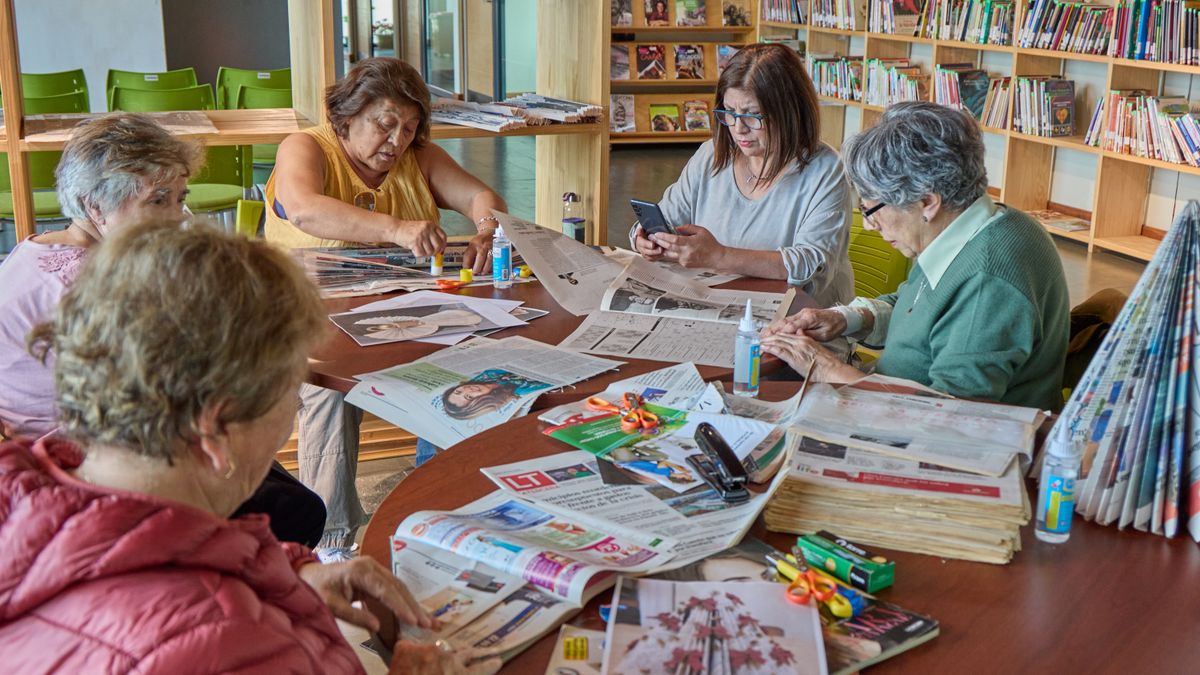
Traditional scrapbooking has evolved into creative journaling. People combine photographs, stickers, ticket stubs, handwritten notes, pressed flowers, and decorative paper to record memories. The result is more personal than a digital photo album and can become a meaningful keepsake. As Gen Z folks ditch TikTok for turntables, scrapbooking and journaling seem like a return to the good old days of mindful activities done without a screen in sight.
10. Board and Card Games

Board games and card games encourage face-to-face interaction in a time when many social activities happen online. Classic games remain popular, while modern versions offer storytelling, strategy, and cooperative play. Game nights are also an easy way to bring friends together without spending much money.
11. Painting and Watercolor
Painting does not require professional training or expensive supplies. Beginners can start with watercolor, acrylics, paint-by-number kits, or simple tutorials. The activity encourages experimentation and gives people a way to express emotions, ideas, and personal style.
12. Miniature Building

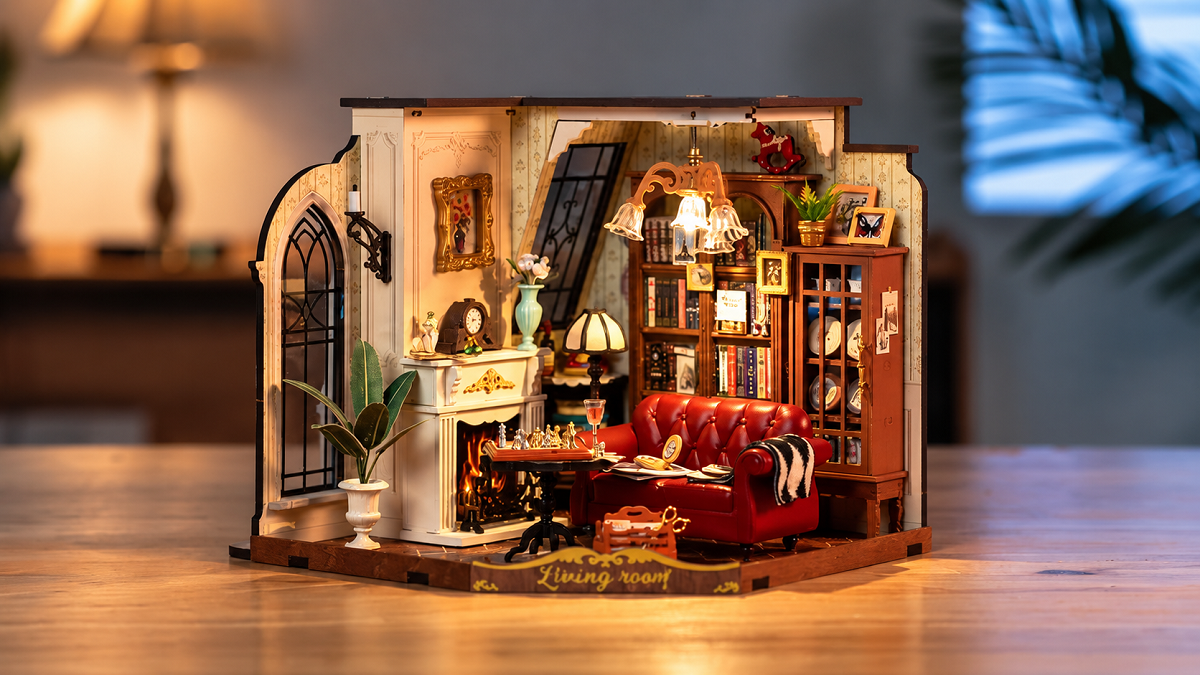
Miniature building is a hands-on hobby that combines creativity, patience, design, and storytelling. Builders create tiny homes, cafés, bookstores, bedrooms, gardens, and complete miniature worlds. It appeals to people who enjoy detailed projects and want a relaxing alternative to digital entertainment.
How to Pick Up a Boomer Hobby on a Budget
The best way to begin is with a small project. Avoid buying every tool or supply at once. Choose one beginner-friendly activity and purchase only the materials needed to complete your first project.
- Thrift stores, garage sales, library sales, and online marketplaces can be excellent sources for affordable supplies. You may find secondhand books, puzzles, records, fabric, gardening containers, cameras, or craft tools at a fraction of their original price.
- Repurposing household items can lower costs even further. Glass jars can become plant pots, old clothing can provide fabric for sewing, and cardboard packaging can be used for journaling or miniature projects.
- Free tutorials are also widely available online. Start with basic instructions, practice regularly, and upgrade your equipment only after deciding that the hobby is right for you. Joining a local group or online community can provide advice, motivation, and inspiration.
If miniature building or model making sounds like the right place to start, a complete kit can make the process less intimidating. Instead of sourcing every material separately, beginners can follow step-by-step instructions and focus on the enjoyment of creating something by hand.
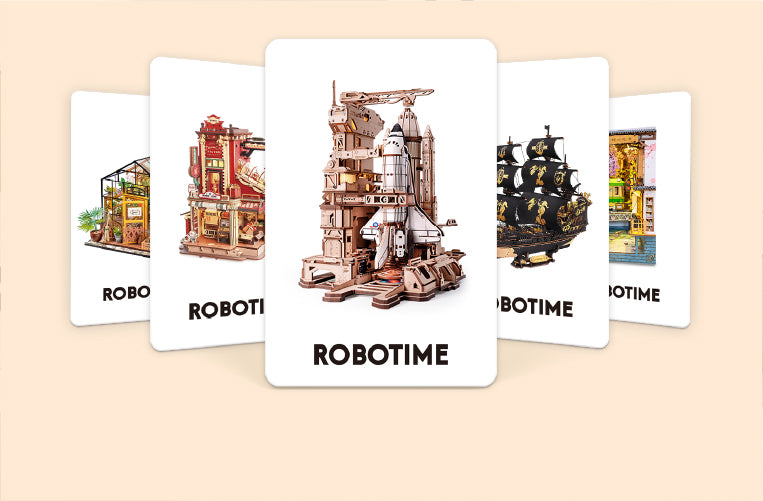
Robotime offers a range of screen-free building projects for different interests and skill levels, from DIY miniature houses and book nooks to 3D wooden puzzles. For builders who enjoy creating their own tiny world, the Rolife Super Creator series features modular cafés, bedrooms, bookstores, bakeries, and food stalls that can be connected and expanded into a personalized miniature town.

Ayesha Atif
A freelance writer driven by timely action and definitive outcomes, favouring bold decisions over the ghosts of "what if" and the weight of hypothetical regrets.
Robotime is a creative lifestyle company dedicated to designing and developing 3D puzzles, toys, and wooden handicrafts. Subscribe to learn more.
Enjoy Robotime building guides and creative inspiration?
Add Robotime as a Preferred Source on Google to see more of our latest stories in Search.
 Add Robotime to your Preferred Sources
Ayesha Atif
A freelance writer driven by timely action and definitive outcomes, favouring bold decisions over the ghosts of "what if" and the weight of hypothetical regrets.



Leave a comment
This site is protected by hCaptcha and the hCaptcha Privacy Policy and Terms of Service apply.