


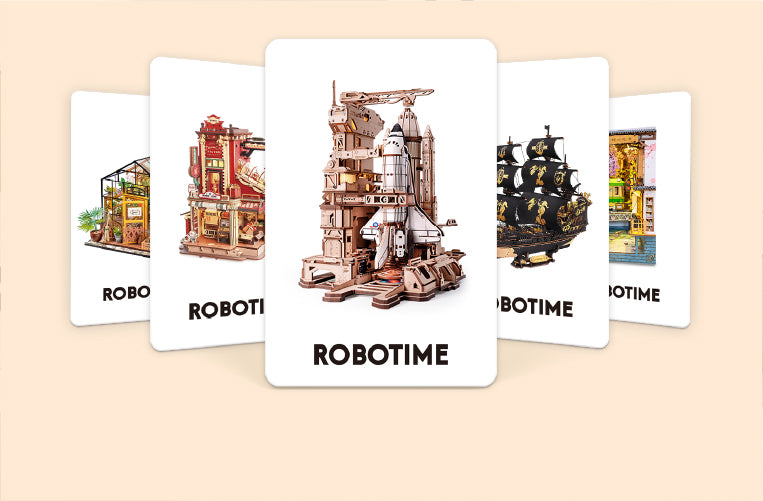


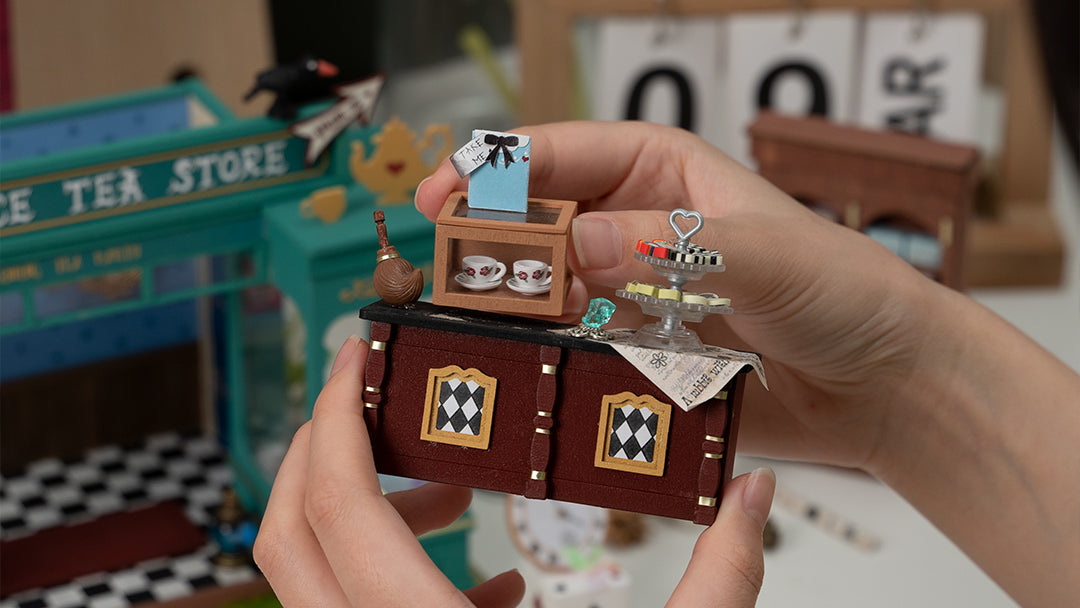
When it comes to materials for miniatures and models, there’s no jack-of-all-trades. Each one has different properties that can make them suitable and ill-fitting depending on the usage and scenario.
In this post, you’ll learn about the characteristics of some of the commonly used materials for miniatures and models, along with their sample applications and what you need to keep in mind when using them.
Why Choosing the Right Materials Matters
Choosing the right materials helps to capture details and charm in a miniature scale. However, it’s not just about the charm - here’s why the right materials matter.
- Realism: Good-quality materials, such as resin or wood, are detailed and textured. Plastic models, on the other hand, give smooth and even finishes. These materials can make your miniature life come to life. The right choice of material depends on the type of miniature model you’re building. The right paint or finish tool can mimic metal, stone, or fabric. This will enhance the illusion of your kit.
- Durability: Warping, cracking, and fading may occur with some materials. Materials like high-grade plastics and medium-density fiberboard are stable and sturdy. Softer plastics may fade if not properly coated. Metals like aluminum add structural strength.
- Creativity: Certain materials, e.g., wood can be cut, sanded, or painted. Thus, they are suitable for beginners. Others, like metal or resin, need more skill, though they provide customizations.
Common Mistakes Beginners Make
- Disregarding weight and scale: By applying large mass materials, a model may become unstable and lack structural integrity.
- Choosing the wrong paint and sealers: Using the wrong paint or sealers may damage your model. Toxic materials can cause harm during the long assembly process. Ensure you check for certification for safety.
- Skipping sealing or priming: Not applying primer or a suitable sealer can expose your model to deterioration over time.
- Using low-quality materials: Using low-quality adhesives, though they are affordable, can weaken your kit over time. It can also emit harmful fumes.
- Mixing incompatible materials: Mixing incompatible materials does not provide consistency. It leads to peeling, warping, or discoloration.
- Skipping surface prep: Skipping surface prep, like cleaning and sanding, can lead to poor paint adhesion and uneven finish.
Quick Comparison Table: Miniature & Model Materials
| Materials | Characteristics | Pros | Cons | Recommended Uses | Difficulty Level |
| Wood | Natural, sturdy, can be sanded | Durable, paintable, eco-friendly | Requires tools, can warp | Dollhouse walls, furniture, floors | Easy - Moderate |
| Plastic | Lightweight, smooth finish | Affordable, paintable | Less eco-friendly | Mechanical models, structural part | Easy |
| Metal | Rigid, shiny | Very professional, durable finish | Harder to paint, costly | Collectible figures | Advanced |
| Paperclay or Polymer clay | Moldable, high-detail finish | Versatile, customizable | Fragile if thin | Miniature food, ornaments, and figurines | Moderate |
| Resin | Moldable, excellent for sharp detail | High realism, smooth finish | Brittle | Figurines, accessories | Advanced |
| Paper and Cardstock | Lightweight, cutable, foldable | Budget-friendly, beginner-friendly | Less durable, not water-resistant | Walls, signage, miniature books | Easy |
Common Materials Used in Miniatures and Models
Now that you have a better understanding of what to look for when it comes to materials for miniatures and models, let’s get to know the most commonly used materials.
1. Wood
There are different types of wood to choose from when making miniatures.

- Craft Stripwood and Scale Lumber- These are fantastic for making windows, doors, scale furniture, and trims. You’ll find them in most craft shops. Robotime kits utilize high-grade strip wood made from basswood, a type of hardwood that is known for its fine and uniform wood grain. It’s lustrous, corrosion-resistant, and meets safety standards for VOC and formaldehyde emissions.
- Baltic Birch Plywood and MDF- These materials should always be finished since they give off gasses. MDF is available in various sizes and thicknesses and is great for building walls, floors, and roofs. Plywood is stronger and lighter, making them a popular choice. Just make sure that it is primed before painting to ensure that the paint sticks well.
- Balsawood- This is a great choice for beginners since it is strong and lightweight. However, it is also weak and soft so its use is limited to small miniatures and light projects.
- Veneer Wood- Veneer wood has the natural look of solid wood but with fewer knots and veins, making them ideal for larger surfaces in modern dollhouses.
- Luan Plywood- This material is easy to work with but requires more finishing work. It is often used in cheap dollhouse kits in a die-cut form assembled using the tab and slot construction method instead of screws and nails.
2. Plastic
Plastic is lightweight, reasonably durable, and easy to cut and modify. Most plastic miniatures use either polystyrene or PVC. Polystyrene sheets are also used for scale railroad models and tiny buildings.
Just be careful about off-gassing. Both polystyrene and PVC release VOCs that are harmful to the environment and can cause a multitude of health problems to humans.
Polypropylene is one of the safer plastics since it is stable and less likely to leach chemicals. In fact, though most of the Robotime kits are primarily wood, we sometimes include plastic parts made of BPA- and PVC-free polypropylene.
3. Metal
Some people love the weight and cold, smooth surface of metal miniatures. A high level of detail can be achieved depending on the mold used. Molten pewter is poured into the mold and allowed to cool before demolding. Pewter is often used for metal miniatures because this soft alloy can be buffed and polished to get a glossy finish.
When using metal for your miniatures, make sure that they are free of toxic heavy metals like cadmium and lead.
4. Paperclay and Polymer Clay
Paperclay and polymer clay are often used to create textured features such as miniature plaster stone walls, stucco, pargetting, stone tiles and walls, and landscaping with rocks and stones. You can also use these materials to create three-dimensional miniatures or sculptures such as graves for a Halloween-themed project.
While both are soft and malleable, the main difference between the two is that you need to bake or cure polymer clay for it to set. Meanwhile, paper clay doesn’t need curing and only requires a protective coat of sealant. That said, cured polymer clay is more durable and doesn’t shrink while hardening, unlike paper clay.
5. Resin
Resin models outshine plastic ones when it comes to details. It’s possible to create intricate details like rivets on train models and links on chain mail with resin. However, resin is a more labor-intensive and fragile material for miniatures compared to plastic. If you accidentally drop a resin model, it can result in chipping.

Resin is also more environment-friendly than plastic. Biodegradable resins like eco-resin and silicone resin are your most non-toxic options. While epoxy resin is the most popular type, especially when replicating liquids, its vapors can cause asthma and other respiratory problems.
6. Paper and Cardstock
Paper and cardstock are inexpensive and readily available materials that you can use to create miniatures and models that don’t necessarily need to last for years. They can be easily shaped and painted to achieve your desired look.
You can use paper for wallpaper and miniature lining. With a bit of creativity, you can also use newspaper strips and glue to create a papier-mache of the different components of your miniatures. Just make sure to apply a coating of protective sealant once you’re done painting them to make them stronger.
Bookboard and cardstock, on the other hand, trims and interior walls that won’t be bearing any weight.
Robotime products come with some paper materials that are required for the assembly process. Rest assured that these are created with paper chips made of non-toxic log pulp for your safety.

Eco-Friendly & Safe Material Tips
- Using certified NAF -MDF and low-VOC glues
Look for medium-density fiberboards with no formaldehyde. These are safe for indoor use. They reduce harmful emissions and are suitable for DIY miniature houses and model kits.
Most adhesives emit volatile organic compounds (VOCs) that may irritate eyes and lungs. Seek water-soluble wood glues, PVA, or craft adhesives, which are non-toxic. They are better for your lungs and the planet.
- Best non-toxic paints & sealers
Use non-irritating sealers and paints. Water-based paints such as acrylic paints are safer and can be utilized on wood or plastic, and resins. Protect your work by sealing the work neatly with a non-toxic varnish.
Sealers should have low odor and be child-safe, especially if they’re used on indoor projects.
- BPA-free plastics vs. PVC dangers
Not all plastics are safe. PVC plastics can release toxic fumes over time when heated. BPA-free plastics last longer and are safer.
Conclusion
There are many more types of materials that you’ll encounter on your journey as a miniature hobbyist. These are simply the most common materials for miniatures and models that you’ll encounter. Just make sure that you carefully consider each material’s characteristics when planning your project to stay on the right track.
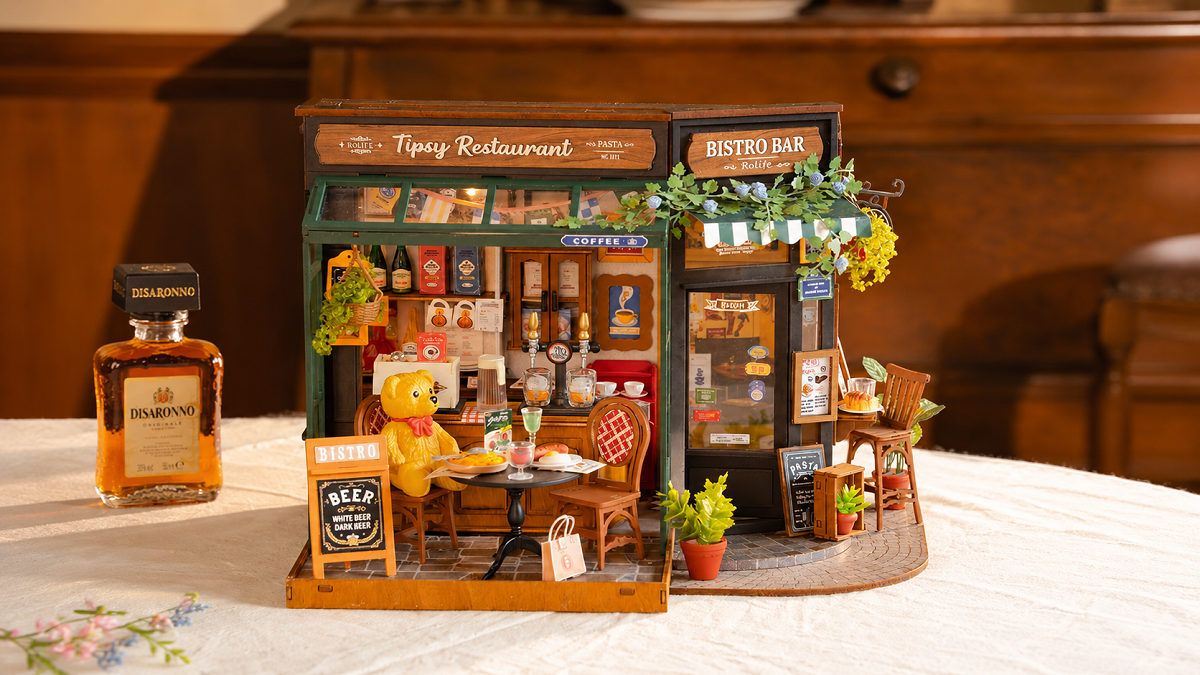
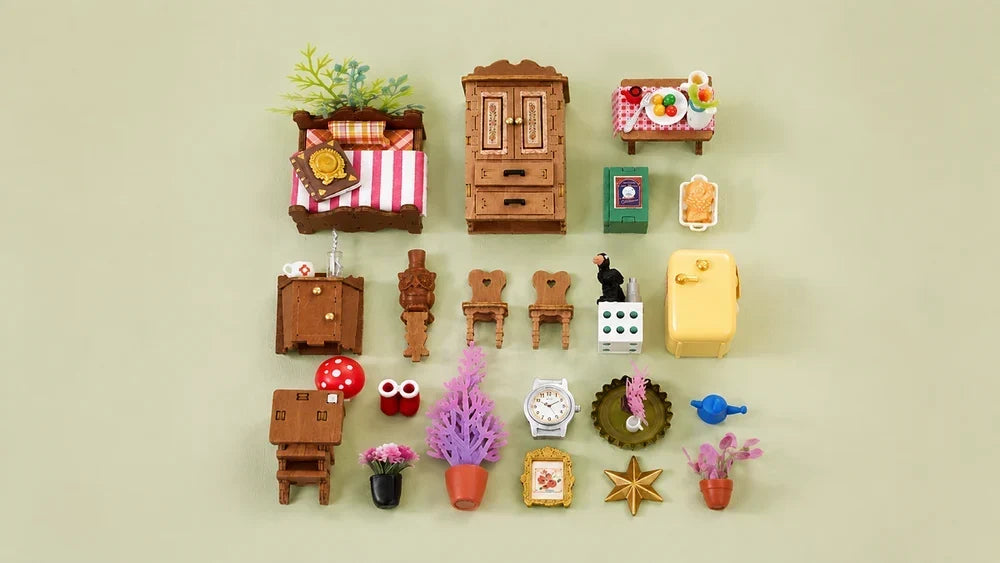
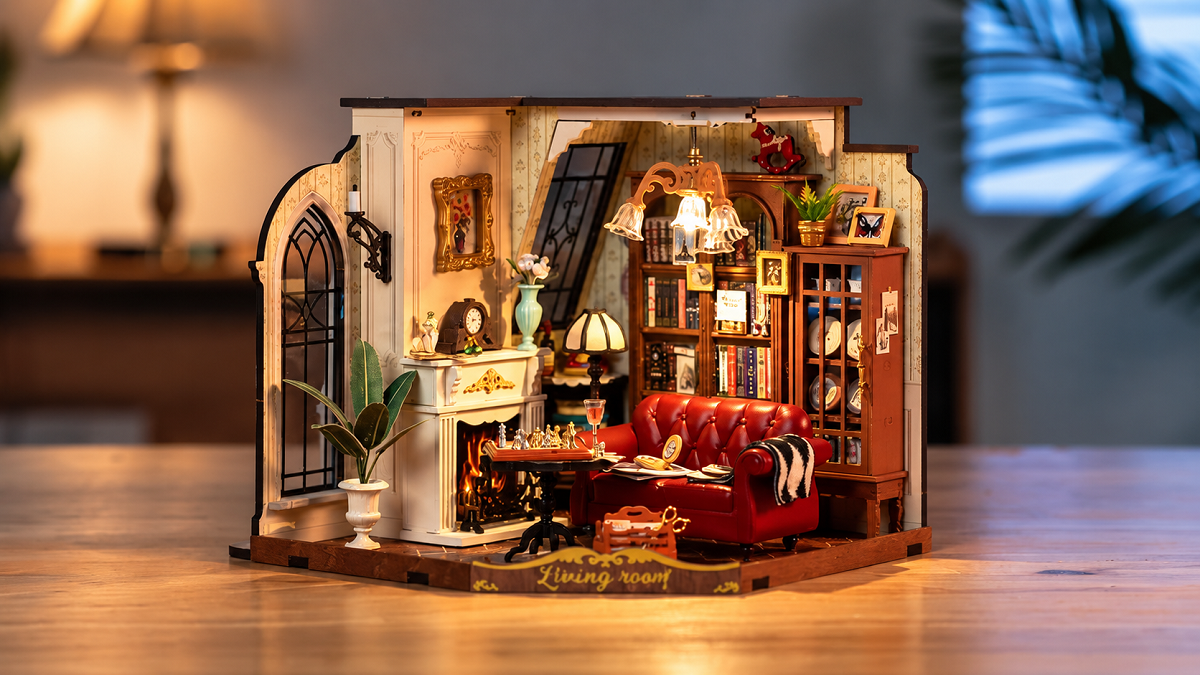
If you don't want to worry about preparing the materials for starting your miniature project, Robotime offers various types of ready-to-assemble DIY miniature kits and models. Each kit comes with all the required pre-cut parts and tools, allowing you to embark easily on your miniature project journey.

Lena Zhang
A freelance photographer and blogger who loves collecting Rolife miniature houses so her vinyl figurines can have different homes to live in.
Robotime is a creative lifestyle company dedicated to designing and developing 3D puzzles, toys, and wooden handicrafts. Subscribe to learn more.
Enjoy Robotime building guides and creative inspiration?
Add Robotime as a Preferred Source on Google to see more of our latest stories in Search.
 Add Robotime to your Preferred Sources
Lena Zhang
A freelance photographer and blogger who loves collecting Rolife miniature houses so her vinyl figurines can have different homes to live in.


Dejar un comentario
Este sitio está protegido por hCaptcha y se aplican la Política de privacidad de hCaptcha y los Términos del servicio.