

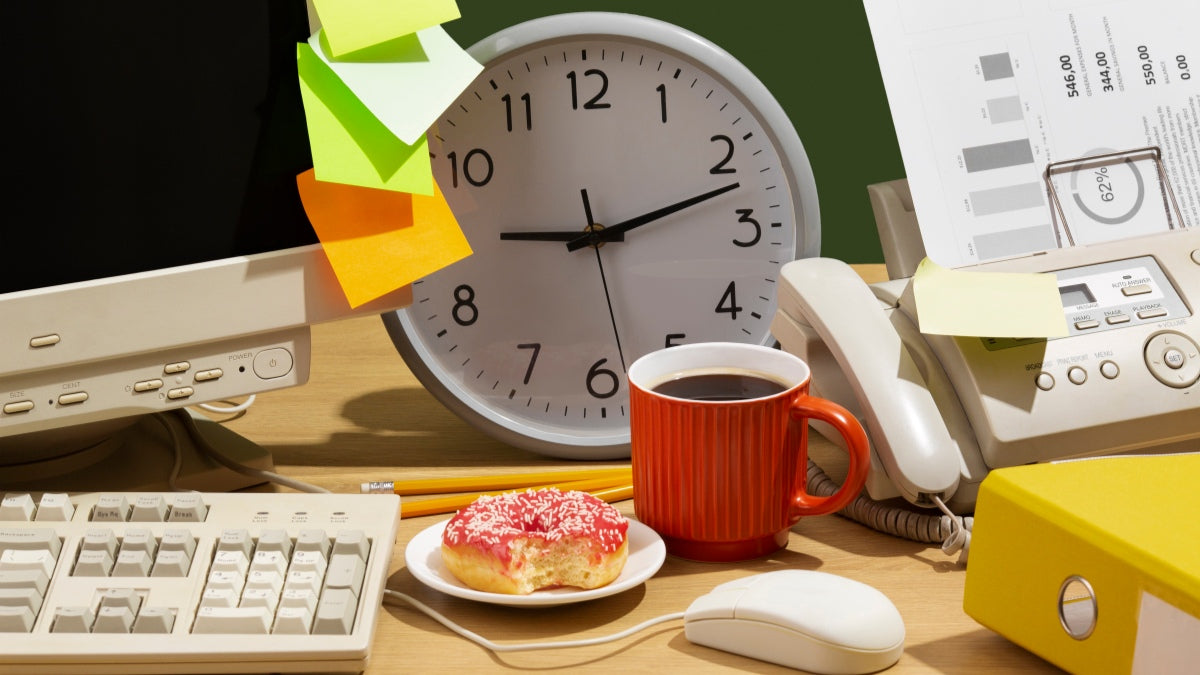
Somewhere between unread emails, fitness trackers, and side-hustle success stories, rest quietly became something we feel guilty about. Today, even “me time” comes with expectations. If we pick up a hobby, we’re often asked: What’s the outcome? Will it improve our skills?
And if the answer is “I just enjoy it,” that feeling isn’t enough. In this article, we’ll explore why not every moment needs to be optimized and how you can make every moment belong to you.
How Productivity Became the Default Measure of Value

Productivity used to mean completing necessary work. However, it now defines personal worth.
Modern culture celebrates “doing more”:
- Turning hobbies into income
- Tracking every habit
- Measuring time by output
Social media reinforces this mindset. We rarely see people enjoying something without a payoff. Relaxation is now called “self-improvement,” and downtime must somehow make us better, faster, or more successful.
The result? We stop asking “Do I enjoy this?” and start asking “Is this useful?” And, when creativity is constantly evaluated by results, the joy quietly slips away.
Why Hobbies Are Often Turned Into Side Hustles

There’s nothing wrong with monetizing a skill - if that’s what you want. The problem arises when every interest is expected to earn its keep.
A hobby used to be:
- Something done slowly
- Something imperfect
- Something private
Now, hobbies are often seen as “wasted potential” unless they:
- Generate content
- Build a brand
- Lead to profit
For many people, this turns relaxing activities into pressure-filled projects. Painting becomes a portfolio. Crafting becomes inventory. Even DIY starts to feel like an assignment.
What Happens When We Do Something Without a Goal
When you remove goals, something interesting happens. You slow down. You make mistakes.
You stop judging the result. Without deadlines or expectations, your mind enters a gentler state - one where curiosity replaces performance. You notice details you would normally rush past. You stay present.
This is why many people find building DIY kits calming:
- Hands stay busy
- Thoughts become quieter
- Time feels less urgent
There’s no “right” speed. No productivity metric. Just you and the moment. Ironically, these goal-free activities often lead to deeper creativity and mental clarity - not because they’re optimized, but because they’re unpressured.
The Difference Between Resting and Recharging

Not all rest is the same. Resting is stopping because you’re exhausted. Recharging is doing something that restores you.
Scrolling on your phone might be rest, but it rarely recharges. Your mind stays stimulated, comparison creeps in, and attention remains fragmented.
Recharging activities, on the other hand:
- Engage your hands
- Calm your thoughts
- Require gentle focus
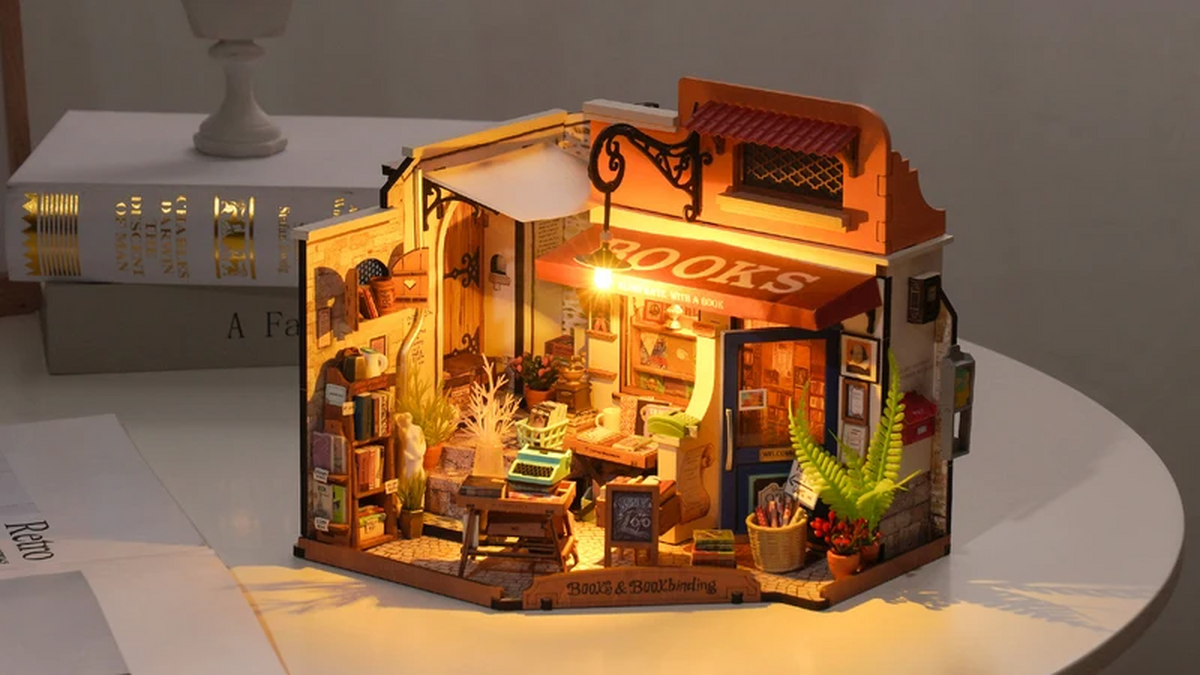
This is where tactile hobbies shine. Assembling a wooden puzzle, placing tiny furniture in a miniature room, or slowly shaping a book nook scene allows your brain to reset without going completely idle.
You’re not producing anything useful - but you’re regaining something far more important: mental balance.
Why Me Time Doesn’t Need to Be Optimized
Even personal time has been absorbed into productivity culture.
But “me time” isn’t a system to be improved. It’s a space to exist without demands.
When you try to optimize relaxation:
- You rush what should be slow
- You judge what should be playful
- You turn comfort into another task
Me time doesn’t need efficiency. It needs permission.
Conclusion: Not Everything You Do for Yourself Needs a Purpose
You don’t need to monetize your hobbies. You don’t need to improve every day. You don’t need a reason to enjoy something quietly.
Some activities are meaningful because they lead nowhere. They don’t advance your career or sharpen your edge - they simply remind you that you’re human.
So if your idea of me time is slowly building a miniature café, assembling a wooden music box, or creating a tiny world inside a book nook, that’s enough. Sometimes, doing something for yourself is the most productive choice.


Micheal Irhezaen
Michael is een technisch schrijver die zijn uitgebreide expertise inzet om structuur, duidelijkheid en doelgericht denken te brengen binnen de Robotime-community.
Robotime is a creative lifestyle company dedicated to designing and developing 3D puzzles, toys, and wooden handicrafts. Subscribe to learn more.
Enjoy Robotime building guides and creative inspiration?
Add Robotime as a Preferred Source on Google to see more of our latest stories in Search.
 Add Robotime to your Preferred Sources
Micheal Irhezaen
Michael is een technisch schrijver die zijn uitgebreide expertise inzet om structuur, duidelijkheid en doelgericht denken te brengen binnen de Robotime-community.
Robotime is a creative lifestyle company dedicated to designing and developing 3D puzzles, toys, and wooden handicrafts. Subscribe to learn more.




Laat een reactie achter
Deze site wordt beschermd door hCaptcha en het privacybeleid en de servicevoorwaarden van hCaptcha zijn van toepassing.