




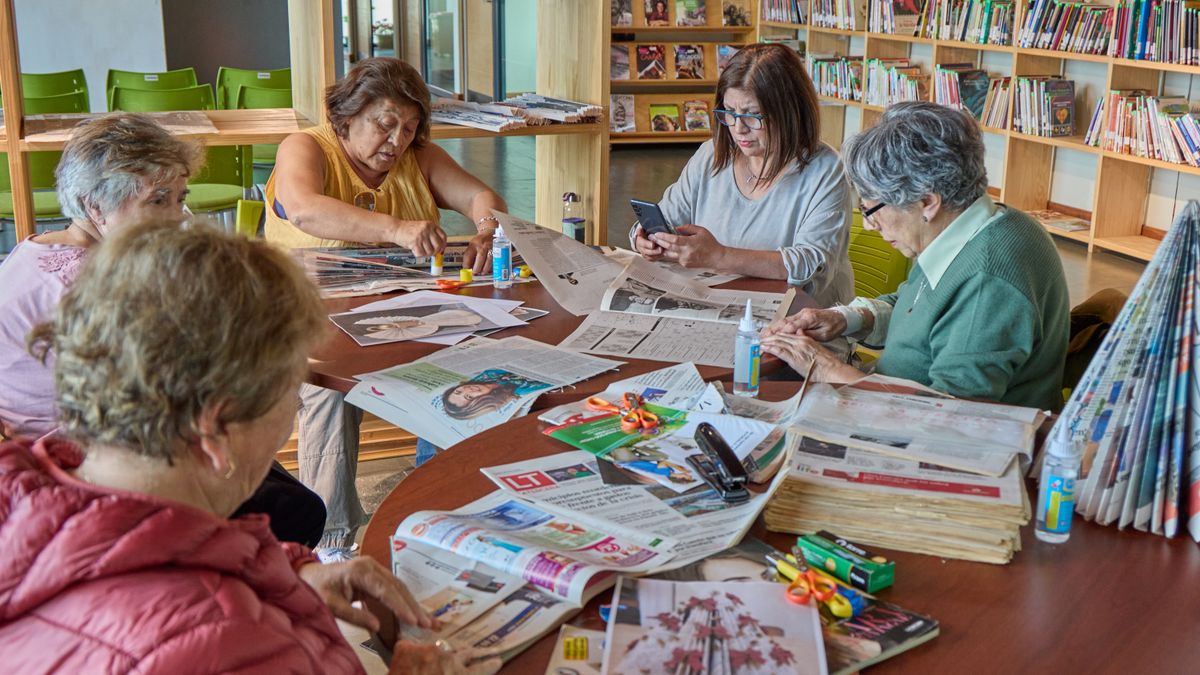
In a survey of retired Americans by MedicareFAQ, nearly half said they'd picked up a brand-new hobby once they left the workforce behind. That's not a coincidence. Retirement hands you back a resource you haven't had much of in decades: unscheduled time. The question isn't whether you'll fill it, it's what you'll fill it with.
Maybe you want a creative outlet, a reason to leave the house twice a week, or simply a quiet evening ritual that doesn't involve a screen. Whatever you're craving, there's a hobby on this list built for it. Use the table below to find your starting point, then jump to the numbered ideas for the details.
The Best Hobbies for Retired Women at a Glance
Swipe left to view the full comparison.
| If you want… | Hobbies to try | Social level | Typical cost | Activity level |
|---|---|---|---|---|
| A creative project | Miniature building, knitting, painting | Solo or group | $20–$100 | Low |
| More connection | Book clubs, choir, volunteering | High | Free–$50 | Varies |
| Gentle movement | Walking, water aerobics, yoga | Solo or group | Free–$80 | Low–moderate |
| Lifelong learning | Languages, history, online courses | Solo or group | Free–$200 | Low |
| More time outdoors | Gardening, birding, photography | Solo or group | $15–$150+ | Varies |
| Quiet relaxation | Reading, puzzles, journaling | Mostly solo | Free–$40 | Low |
Estimated startup costs in USD; actual prices vary by location, class fees, equipment, and supplies already owned.
How Do You Find a Hobby After Retirement?
You don't need a five-year plan, just a starting point. Here's how to find one:
- Look backward first. What did you love before work, kids, or caregiving ate your schedule? That's usually the fastest lead.
- Try before you commit. Senior centers, libraries, and community colleges almost always run one-off trial classes for a few dollars.
- Give yourself an exit. Not every hobby sticks, and that's fine. Treat the first try as a test drive, not a vow.
- Aim for a mix. Retirees with a blend of physical, creative, and social hobbies tend to report more satisfaction than those with just one.
What Are the Best Creative Hobbies for Retired Women?
If your days used to be shaped around a job, or around everyone else's schedule, a creative hobby is often the first thing retired women reach for simply because the time and the result both belong to you.
1. Try Miniature or Model Building
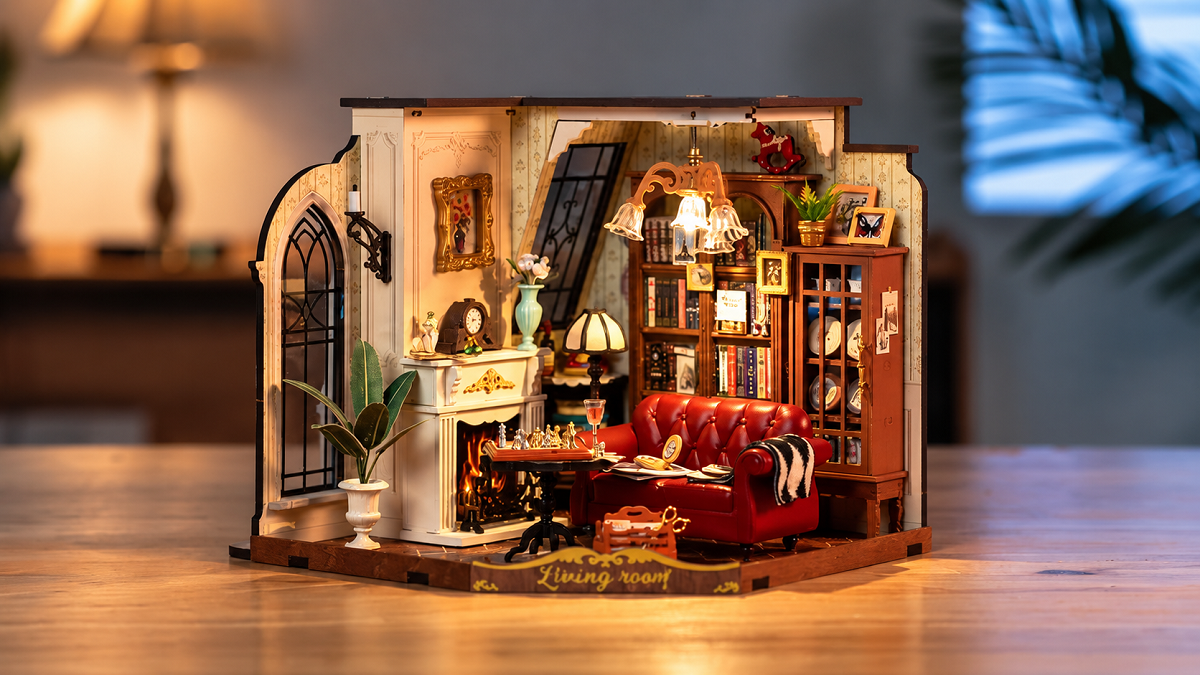
Miniature and architectural model kits have quietly become one of the more popular adult craft hobbies, largely because they don't demand any prior art training. Kits like Rolife's DIY miniature hosue collection come with every piece pre-cut, from tiny teacups to working LED lights, so you go from box to finished display piece without needing a single art class.

2. Pick Up Knitting or Crochet
It's portable, sociable, and the finished pieces don't have to just sit in a drawer. Many local yarn shops and libraries host stitch circles, and if you end up with a growing pile of finished pieces, craft fairs, Etsy shops, and hospital preemie-hat drives are all common outlets for putting them to use rather than storing them.
3. Paint or Try Pottery
Painting classes are the obvious entry point, no talent required, just patience, and many rec centers run casual “paint and chat” mornings that turn a solo hobby into a weekly standing date. If you want something more tactile, pottery studios in most mid-sized cities now offer beginner wheel-throwing classes, and it's become a genuinely popular option among women picking up a first hobby after retiring.
Building New Friendships in Retirement
The built-in social circle that comes with a job, or with years of school runs and other people's schedules, doesn't automatically get replaced once you retire, so this is usually the area worth being most intentional about.
4. Launch a Book Club

A deadline to finish a novel and a room full of people to argue about the ending with. Rotate hosting duties and it becomes a built-in monthly social calendar.
5. Sing With a Community Choir
You don't need previous musical training to join one. Research on choir singing in older adults, including a study on choir singing and cognitive wellbeing, has linked regular participation to better mood, stronger social ties, and in some studies, improved memory performance, on top of the more obvious benefit of a weekly reason to see the same friendly faces.
6. Volunteer Somewhere That Needs You
Hospitals, animal shelters, libraries, and schools are almost always short-staffed and glad to have you. It adds structure to your week and puts decades of experience to good use.
Staying Active Without Overdoing It
Joint wear, old injuries, or just wanting to protect your mobility for the next couple of decades are common, practical reasons women adjust how they exercise in retirement, without giving up on staying active altogether.
7. Walk With Others

Neighborhood walking groups, local trail clubs, and organized walking meetups all turn a solitary habit into a social one, and most welcome any pace. Many are organized through community centers specifically for older adults.
8. Try Water Aerobics
The water takes the pressure off aging joints while you still build real strength and cardiovascular fitness. Most public pools run shallow-end classes designed specifically for older adults.
9. Ease Into Chair or Gentle Yoga
Chair and gentle yoga classes improve balance and flexibility without asking your body to do anything it isn't ready for. A weekly class is often enough to notice a difference within a month. If you'd rather have more of a workout, pickleball has become one of the most talked-about sports among women in their 60s and 70s.
Keep Learning, Just for the Fun of It
Many women spend years directing their learning toward a job or their kids' schooling, so retirement is often the first real stretch of time to study something purely because it interests you, with no test at the end.
10. Learn a New Language

Free apps make daily practice easy, and community colleges often offer conversational classes built specifically for adult beginners.
11. Dig Into Local History
Historical societies and libraries run lecture series, but you can also go hands-on. Many local museums train retirees as volunteer docents, which turns a passing interest in history into a standing weekly commitment, real people to talk to, and free admission to boot. Tracing your own family's history is another route into the same hobby, with plenty of that research now doable from a laptop.
12. Take an Online Course
Platforms built for lifelong learners offer everything from art history to astronomy, often at a steep discount for retirees, so you can study something new without setting foot in a classroom.
Hobbies That Get You Outside
Outdoor hobbies also give shape to a week that can otherwise feel wide open once a job or a family's schedule stops setting the pace for you.
13. Grow a Garden

A raised bed of tomatoes or a patch of dahlias gives you a reason to be outside daily, and it's one of the more budget-friendly hobbies on this list. If you want to take it further, many state agricultural extension offices run Master Gardener certification programs, which combine training with a volunteer commitment, a good fit if you want the hobby to come with some structure and a community of fellow gardeners.
14. Take Up Birdwatching
All it takes is a decent pair of binoculars and a free app like Merlin to identify what's at your feeder. Local Audubon chapters run group outings for beginners if you'd rather not go it alone, which adds a social layer to what's often a solitary hobby.
15. Turn Walks Into Photography
Even a smartphone turns an ordinary walk into a small hunt for something worth capturing. Local camera clubs often run group walks for beginners.
Slow Down: Cozy Hobbies for Your Quiet Days at Home
Not every day in retirement needs a plan, and some of the hobbies retired women come to value most are the quiet, solo ones that don't require getting dressed and leaving the house.
16. Fall Back in Love With Reading
The most popular hobby among retirees for good reason, and essentially free with a library card and a hold list. Apps like Libby or Hoopla let you borrow ebooks and audiobooks from your library digitally, and audiobooks in particular are worth trying if smaller print has gotten harder to read comfortably.
17. Level Up From Jigsaw to 3D Puzzles
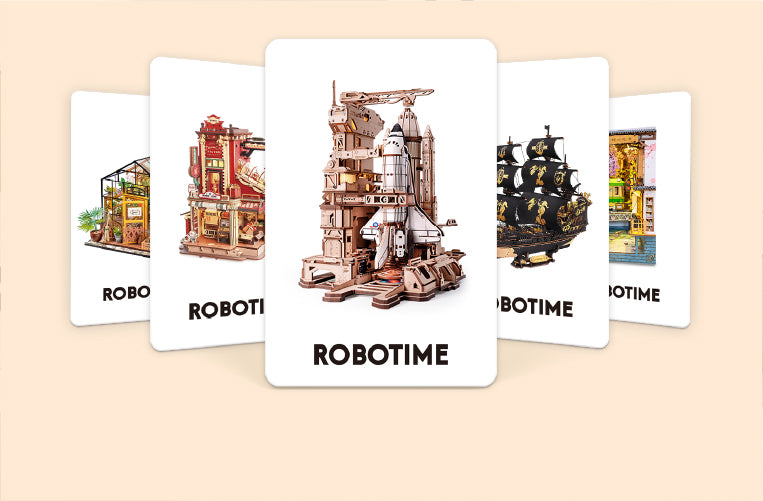
A screen-free way to unwind that still keeps your mind sharp. Once flat puzzles start to feel familiar, Robotime's 3D wooden puzzle collection adds a satisfying next step, with pieces that lock into an actual standing model instead of a flat picture.

18. Keep a Journal
A private space to process the transition retirement brings, whatever that looks like for you. Some retirees take it a step further and turn journaling into an informal memoir, a written record of family stories that costs nothing but a notebook and a few quiet minutes a day, and often becomes a keepsake for kids and grandkids down the line.
How Can You Start a New Hobby Without Spending Too Much?
You don't need a fully stocked craft room on day one. Keep costs down with these moves:
- Borrow before you buy. Libraries lend far more than books, including puzzles, tools, and sometimes even craft kits.
- Buy secondhand first. Thrift stores and community swap groups are goldmines for beginner painting, knitting, or gardening supplies.
- Start with a kit, not the premium gear. A starter kit lets you test whether a hobby's worth the investment before you spend on the professional version.
- Split costs with a friend. Splitting materials for a craft night or a shared garden plot cuts the price in half for both of you.
FAQs
Is it too late to start a new hobby in your 60s or 70s?
Not at all. Most hobbies on this list are designed or easily adapted for adult beginners, and skill develops at any age with regular practice.
How many hobbies should a retired woman have?
There's no fixed number backed by real research. Variety seems to matter more than quantity, a physical, social, or creative hobby together tends to serve wellbeing better than just one type, based on a 2023 study of over 90,000 older adults.
What if I try a hobby and don't enjoy it?
That's normal, not a failure. Treat the first attempt as a trial and move to the next option on this list without guilt.
Can hobbies actually improve health after retirement?
Yes. The same study found people with hobbies reported better health, fewer depression symptoms, and higher life satisfaction than those without one, with social and active hobbies showing the strongest links to lower loneliness.


Ayesha Atif
A freelance writer driven by timely action and definitive outcomes, favouring bold decisions over the ghosts of "what if" and the weight of hypothetical regrets.
Robotime is a creative lifestyle company dedicated to designing and developing 3D puzzles, toys, and wooden handicrafts. Subscribe to learn more.
Enjoy Robotime building guides and creative inspiration?
Add Robotime as a Preferred Source on Google to see more of our latest stories in Search.
 Add Robotime to your Preferred Sources
Ayesha Atif
A freelance writer driven by timely action and definitive outcomes, favouring bold decisions over the ghosts of "what if" and the weight of hypothetical regrets.
Robotime is a creative lifestyle company dedicated to designing and developing 3D puzzles, toys, and wooden handicrafts. Subscribe to learn more.




Leave a comment
This site is protected by hCaptcha and the hCaptcha Privacy Policy and Terms of Service apply.