




The first few days of the new school year are a whirl of excitement, questions, and a bit of nervousness. For teachers, it's the ideal chance to foster a positive learning environment that makes students feel comfortable, appreciated, and eager to learn. Beginning-of-the-year activities are carefully planned to help break the ice, encourage teamwork, and set a positive tone for the rest of the school year.
Whether you're teaching preschoolers or high school students, these activities can help your students connect with others, build confidence, and develop valuable communication and problem-solving skills.
Here are 15 fun and meaningful beginning-of-the-year activities that can help start the school year on the right foot.
Why Beginning-of-the-Year Activities Matter
The first week of school is not just about classroom rules and supplies. It's the foundation for developing a positive classroom environment where all students feel a sense of belonging.

Beginning-of-the-year activities have a number of advantages:
- Help students get to know one another.
- Reduce first-day anxiety.
- Promote communication and collaboration.
- Establish rapport between teachers and students.
- Introduce classroom rules naturally.
- Encourage and build students' involvement and confidence.
- Build anticipation for learning right from the start.
If students feel a sense of belonging with their peers and their teacher, they are more likely to participate, collaborate, and enjoy being in class throughout the year.
Getting-to-Know-You Activities
1. Find Someone Who...
Organize a bingo card worksheet with: "Has a pet," "Enjoys reading," etc. Students circulate around the classroom and ask questions until their sheet is finished. A basic activity that promotes discussion and allows students to find common ground.
2. All About Me Posters
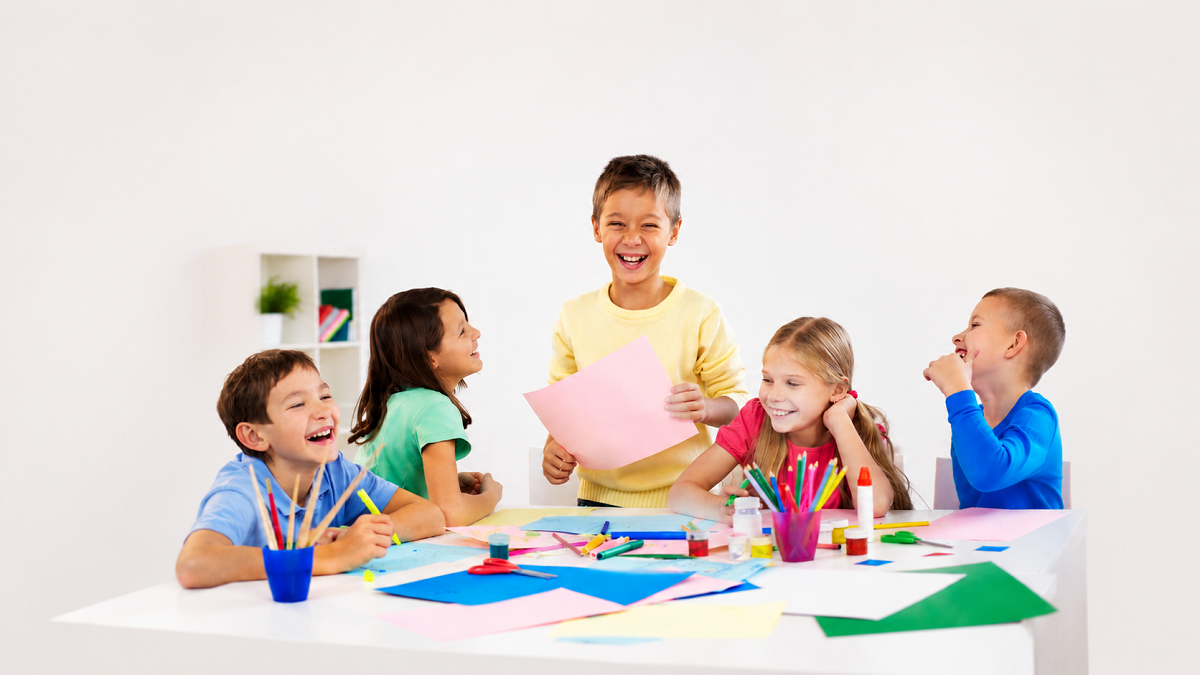
Ask students to create their own colored posters of their favorite books, family, goals, and hobbies. Hang the completed posters around the room to highlight each student's individual personality and to provide the class with lots of talking points.
3. Two Truths and a Lie
Every student gives 3 statements about themselves 2 true and 1 false. The class makes a guess as to which statement is the lie. It is a classic icebreaker that promotes laughter and causes students to recall fun facts about each other.
4. Partner Interviews
Place two students in pairs and give students a list of questions about their hobbies, favorite subjects, and their future dreams. Students interview one another and introduce their partners to the class, practicing listening and speaking.

Team-Building Beginning-of-the-Year Activities
5. Marshmallow Tower Challenge
Divide students into small groups and provide each group with marshmallows, spaghetti sticks, tape, and string. Their task is to construct the tallest freestanding tower in a limited amount of time. This activity encourages creativity, communication and teamwork and is an introduction to the value of planning before building.
6. Human Knot
Students form a circle, and pair them up with two other students to try and untangle them without releasing their hand. The activity encourages students to communicate effectively, be patient, take charge and collaborate with others.
7. Classroom Scavenger Hunt
Offer students hints around the classroom to important spaces like the reading corner, homework area, art station or classroom library. This activity introduces students to their learning space, encourages them to work in teams and to observe.
8. Paper Chain Challenge
Give each group some paper, scissors and tape. They will try to make the longest paper chain in 10 minutes. After completion, talk about which strategies were successful and how working in teams helped each team to be successful.

Creative Beginning of the Year Activities
9. Classroom Time Capsule
Have students share their favorite activities, school year objectives, and learning objectives. Put their answers into a classroom time capsule, and open it during the last week of school. Students will enjoy seeing how much they've grown throughout the year.
10. Goal-Setting Vision Boards
Students draw, cut out pictures from magazines, print pictures, or write words to make vision boards of their academic and personal goals. These will be displayed around the classroom as a reminder to remain motivated and to strive towards their goals.
11. Collaborative Classroom Puzzle
Provide each student with a blank puzzle piece to decorate with a drawing, a favorite quote, or an interesting fact about themselves. When finished, assemble all of the pieces into one large classroom community puzzle to represent the value of each student within the classroom community.
For instance, students who enjoy detail-oriented craft projects can also be introduced to hands-on 3D wooden puzzles led by teachers. Building a model such as the Rolife London Tour Bus allows students to develop creativity, patience, and collaboration by assembling its complex components.

Beginning of the Year STEM Activities
The first week of school is both educational and exciting thanks to STEM activities that help students experiment, problem solve and think creatively.
12. Paper Bridge Challenge
Students design and construct a bridge using only paper and tape that will hold either books or small classroom items. Once each bridge has been tested, talk about why the different designs were stronger or weaker than each other and about the process of engineering, which is often trial and error.
13. Balloon Rocket Experiment
Students put a straw on a string, blow up a balloon and let it go to see how force and motion interact. This simple experiment will be a great way to bring some basic principles of physics into play, keeping students engaged.
14. Engineering Model Challenge
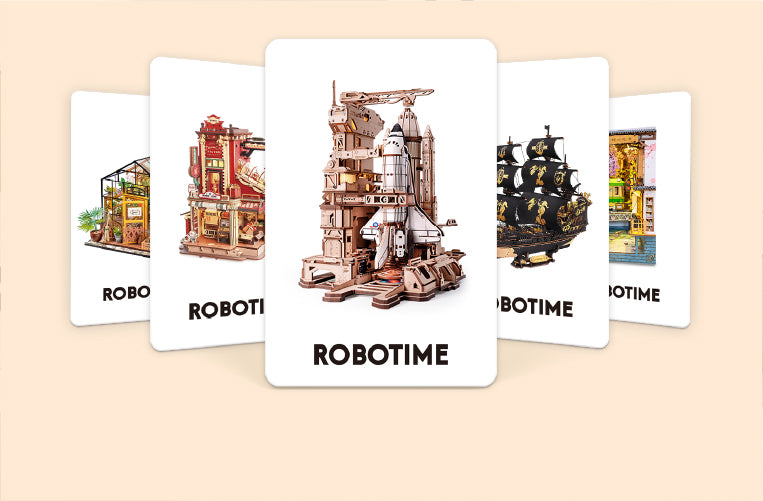
Practical building tasks are great for promoting critical thinking and perseverance. Students will learn about gears, movement, basic engineering concepts, and improve their communication and problem-solving skills by working in small groups to build a mechanical model like the Robotime Marble Spaceport.

15. Use recycled materials to create a design.
Have students create a chair, bridge, or tower using recycled materials (cardboard, paper tubes, plastic containers). Each group will present their project, describing the design process, the challenges they encountered, and how they overcame them, continuing to reinforce the engineering design process.
Best Beginning of the Year Activities by Age Group
It is important that activities are suitable for the age and development of all students so they can remain interested and enjoy being involved. Some activities can be used in several grade levels, others activities are more suitable for a certain grade level.
Preschool (Ages 3-5)
Young children learn through movement, play and sensory experiences. Make activities short, engaging and coloured to hold their attention. Some great ones are:
- Identify songs and circle games.
- Colour and shape hunts
- Using fingers or handprints to create art.
- After a story they had a simple discussion.
- Constructing structures using blocks/magnetic tiles
These activities allow preschoolers to get to know their new school, to interact socially and to develop their fine motor skills.
Elementary School (Ages 6-10)
For elementary students, activities are fun and creative, with the added benefit of collaboration. They also want to meet new friends and learn new ways of doing things in the classroom.
Here are some of the more popular activities for the start of the year:
- Classroom scavenger hunts
- Use "All About Me" posters
- Team-building games
- Goal-setting vision boards
- Collaborative classroom puzzles
The projects allow for communication, creativity and problem solving, and help students gain confidence in the first week of school.
Middle School (Ages 11-13)
Middle schoolers love opportunities to work independently, collaboratively, and a bit competitively. Consider trying:
- Escape room challenges
- Design-thinking projects
- Debate games
- STEM engineering competitions
- Collaborative art murals
- Leadership challenges
Classroom activities that promote critical thinking and teamwork help students strengthen relationships and make classroom learning more meaningful.
High School (Ages 14-18)
For older children, engaging activities that are relevant to their lives and future aspirations tend to resonate the most. There are some great ideas out there to consider:
- Career and college Vision Boards
- Group presentations
- Problem-solving challenges
- Classroom discussions
- Leadership and mentoring activities.
- Planning projects for community service.
Such activities will foster communication, responsibility and collaboration, as well as preparing students for success in life beyond the classroom.
How to Choose the Right Beginning of the Year Activity?
Each classroom is unique, and the activities used at the beginning of the year will vary based on the needs, interests, and learning goals of each class. A well-balanced program creates an atmosphere of inclusion and motivation.
Here are some questions to ask when designing lessons:
- Student age: Movement and play work well with younger students, whereas discussions, challenges and independent projects work well with older students.
- Learning goals: Decide if you're going to be focused on friendship building, classroom routines, creativity or academic skills.
- Time available: Quick icebreaker activities can be used for a short period of time, and larger activities can take place over a number of class periods.
- Class size: Small groups are ideal for collaborative projects, and large groups are good for connecting.
- Materials and budget: Most fun activities take little or no preparation, and you can occasionally do hands-on projects that will help diversify your lessons.
The best first-week lesson plans typically include a combination of conversation, movement, creative activities, and problem-solving. This variety helps to maintain students' interest and supports different learning styles.
Frequently Asked Questions
Why are beginning-of-the-year activities important?
They foster positive classroom culture and expectations, ease first-day jitters, promote communication, and help students feel connected to classmates and teachers.
What is the desired duration of the initial activities of the year?
The duration of simple icebreakers is 10-20 minutes, while larger collaborative or STEM projects can take up to 30-60 minutes or even more than one class session.
What strategies can teachers use to help engage students in the first week?
Alternate various activities during the week. Use icebreakers, movement games, creative projects, discussion activities and STEM challenges to keep students active and engaged. Providing students with opportunities to collaborate also fosters healthy relationships in the classroom.


Laraib Shahzad
Laraib is a freelance writer who specializes in creating clear, engaging, and research-driven content.
Robotime is a creative lifestyle company dedicated to designing and developing 3D puzzles, toys, and wooden handicrafts. Subscribe to learn more.
Enjoy Robotime building guides and creative inspiration?
Add Robotime as a Preferred Source on Google to see more of our latest stories in Search.
 Add Robotime to your Preferred Sources
Laraib Shahzad
Laraib is a freelance writer who specializes in creating clear, engaging, and research-driven content.
Robotime is a creative lifestyle company dedicated to designing and developing 3D puzzles, toys, and wooden handicrafts. Subscribe to learn more.




Leave a comment
This site is protected by hCaptcha and the hCaptcha Privacy Policy and Terms of Service apply.