




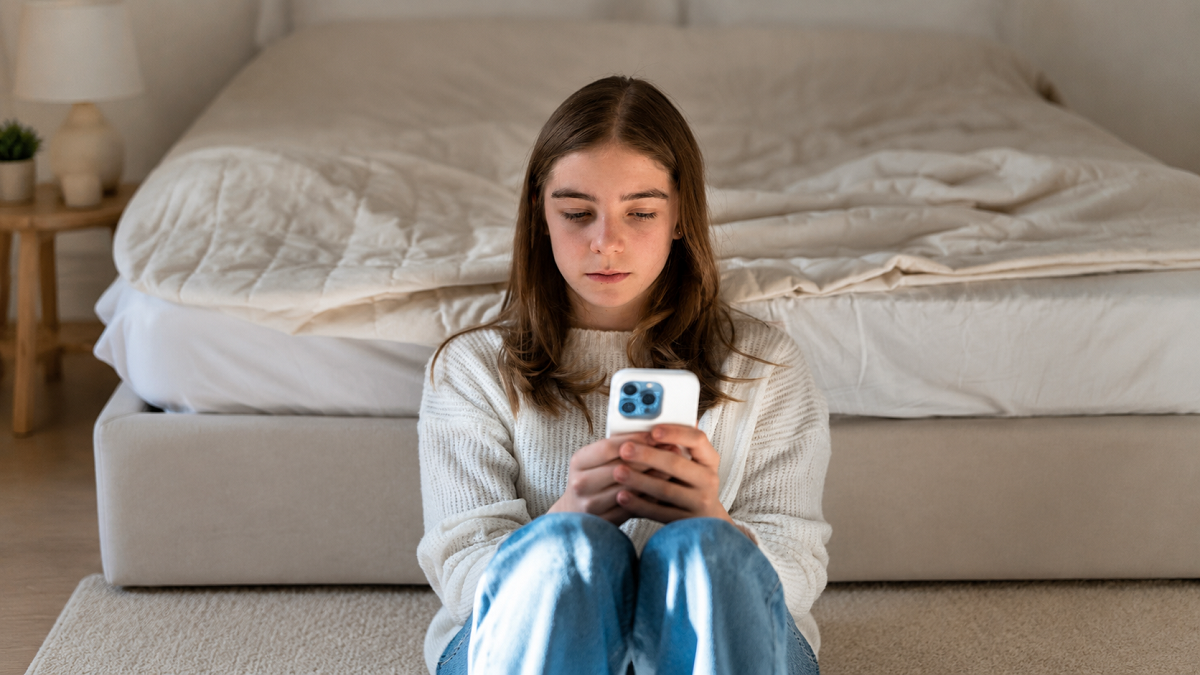
You open your phone to check one notification. Thirty minutes later, you're still scrolling through bad news, heated debates, and endless videos that leave you feeling drained instead of informed. Sound familiar?
Doomscrolling has become one of the most common digital habits, especially in a world where fresh content never stops. The good news is that breaking the cycle doesn't mean giving up your phone completely. Small changes and better alternatives can help you regain control of your time and attention.
In this guide, you'll learn why doomscrolling is so addictive, how to recognize when it's becoming a problem, and 15 healthier things to do instead.
In this article:
What Is Doomscrolling?

Doomscrolling is the habit of continuously consuming negative, stressful, or emotionally charged content online, usually through social media, news apps, or video platforms. Instead of stopping after reading one article or watching one video, you keep scrolling in search of updates, even though the experience makes you feel worse.
The term became widely known during the COVID-19 pandemic, but the behavior existed long before that. Whether it's reading alarming headlines, watching upsetting videos, or following endless online arguments, doomscrolling keeps your brain focused on potential threats.
Unlike intentionally staying informed, doomscrolling often happens automatically. You may tell yourself you'll stop after "one more post," but an hour disappears before you realize it.
Why You Can't Stop Doomscrolling?

Understanding why doomscrolling is so difficult to quit makes it easier to replace the habit.
Your Brain Is Wired to Notice Threats
Humans naturally pay more attention to negative information than positive news. This survival instinct helped our ancestors avoid danger, but today it keeps us glued to alarming headlines.
Infinite Feeds Never End
Unlike newspapers or magazines, social media feeds don't have a natural stopping point. There's always another post, another comment, or another breaking story.
Algorithms Learn What Holds Your Attention
Social media platforms track what you engage with. If you spend extra time reading dramatic news or controversial topics, similar content appears more often, making it harder to stop.
You're Looking for Relief
Ironically, many people scroll because they're anxious or bored. They hope the next post will provide comfort or distraction, but instead they end up feeling even more overwhelmed.
It Becomes Part of Your Routine
Many people reach for their phones without thinking. Waiting for coffee, riding the bus, or lying in bed can automatically trigger scrolling because the habit has become linked to those situations.
Signs Your Scrolling Has Become a Habit
Not sure whether you're doomscrolling or simply staying informed? Here are some common warning signs.
- You pick up your phone without a specific reason.
- You lose track of time while scrolling.
- You feel anxious, frustrated, or mentally exhausted afterward.
- You keep checking for updates even when nothing has changed.
- You scroll before going to sleep and struggle to fall asleep afterward.
- You ignore hobbies or activities you once enjoyed.
- You often tell yourself, "Just five more minutes," but continue much longer.
- You feel uncomfortable whenever your phone isn't nearby.
If several of these sound familiar, replacing the habit with healthier activities can make a noticeable difference.
15 Things to Do Instead of Doomscrolling
1. Read a Few Pages of a Book
You don't need to finish an entire chapter. Reading just five to ten pages gives your brain something meaningful to focus on while reducing screen time. Whether it's fiction, history, or personal development: Reading encourages deeper concentration than endlessly jumping between short posts.
2. Build a DIY Miniature House
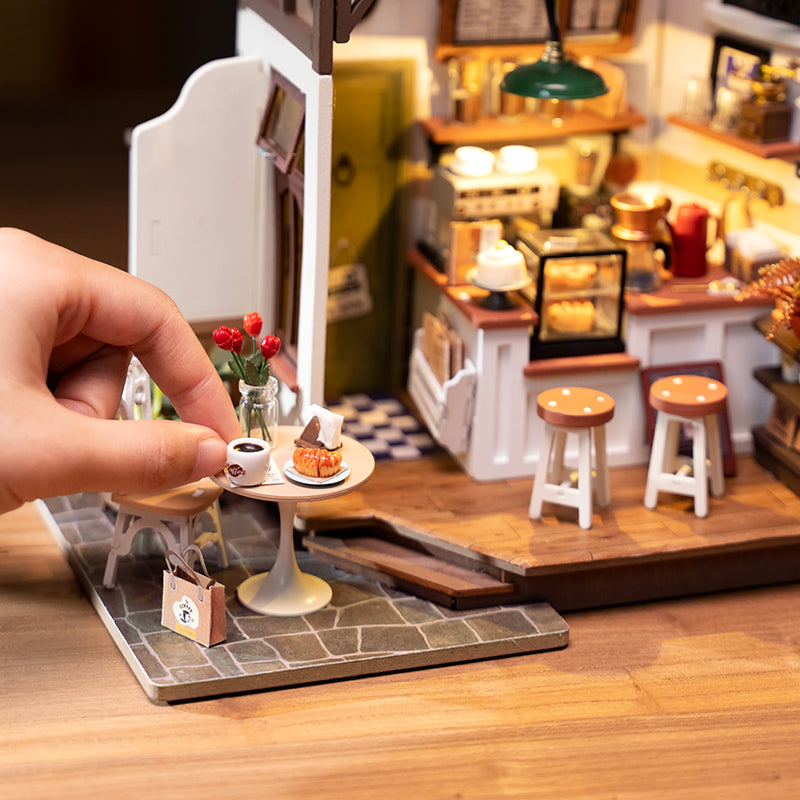
Hands-on creative projects naturally pull your attention away from your phone because they require focus, patience, and problem-solving. Building a Rolife DIY miniature house lets you work with tiny furniture, decorative details, and realistic scenes that gradually come together piece by piece. Instead of consuming endless content, you're creating something tangible you can proudly display afterward.
3. Go for a Short Walk
A 10 to 20-minute walk can quickly reset your mood. Fresh air, natural light, and gentle movement reduce mental fatigue while giving your brain a break from constant digital stimulation.
4. Solve a Puzzle

Whether it's a crossword, Sudoku, jigsaw puzzle, or a Robotime 3D wooden puzzle, puzzles keep your hands and mind engaged. Unlike social media, puzzles reward sustained attention and provide a satisfying sense of progress with every completed section.
5. Journal Your Thoughts
Sometimes people doomscroll because they're trying to process stress. Writing your thoughts on paper helps organize emotions instead of letting them bounce around your mind. Even five minutes of journaling can reduce mental clutter.
6. Call Someone You Care About
Social media creates the illusion of connection, but real conversations are far more fulfilling. Instead of scrolling through updates, spend a few minutes talking with a friend or family member.
7. Learn One New Skill

Replace passive scrolling with active learning. You could learn:
- A few words in another language
- Basic sketching
- Photography tips
- Origami
- Cooking techniques
- Musical chords
Even 15 minutes adds up over time.
8. Stretch or Do Light Exercise
Physical movement immediately changes your environment and interrupts the scrolling cycle. Simple stretches, yoga, or a short bodyweight workout help improve both mood and energy levels.
9. Listen to Music Without Looking at Your Phone
Instead of watching videos while listening to music, simply press play and let yourself enjoy the experience. Many people forget that music can be an activity rather than background noise.
10. Organize One Small Space

Clean one drawer. Arrange your desk. Sort your bookshelf. Small accomplishments create momentum and often feel more rewarding than another hour online.
11. Cook or Bake Something New
Cooking naturally keeps both your hands and your attention occupied. Trying a new recipe provides immediate rewards while encouraging mindfulness.
12. Practice Mindfulness or Deep Breathing
You don't need a long meditation session. Spend five minutes focusing on your breathing to help calm your nervous system before reaching for your phone again.
13. Start a Creative Project
Painting, knitting, embroidery, coloring books, model building, or crafting all encourage deep focus. Creative hobbies produce a "flow state," where you become fully absorbed in the activity instead of constantly seeking new digital stimulation.
14. Spend Time Outdoors

Visit a nearby park. Watch birds. Sit under a tree. Water your plants. Nature naturally slows your pace and provides sensory experiences that screens simply can't replace.
15. Set Up a Phone-Free Evening Routine
Rather than trying to eliminate your phone entirely, replace the final 30 to 60 minutes before bed with relaxing offline activities. For example:
- Make tea
- Read a book
- Build a miniature
- Journal
- Listen to calming music
- Stretch
Over time, your brain begins associating bedtime with relaxation instead of endless scrolling.
Quick Doomscroll Replacement List
|
When You Normally Scroll |
Try This Instead |
|
Morning |
Read 5 pages of a book |
|
Lunch Break |
Take a 10-minute walk |
|
Before Bed |
Build a DIY miniature or complete a puzzle |
|
Waiting in Line |
Practice deep breathing or observe your surroundings |
|
During TV Commercials |
Stretch your body |
|
Weekend Afternoon |
Visit a park or local café without your phone |
|
After Work |
Journal for 10 minutes |
|
While Drinking Coffee |
Plan your day or write a gratitude list |
|
During Commutes |
Listen to a podcast or audiobook |
|
Feeling Stressed |
Work on a creative hobby for 20 minutes |
Why Hands-On Hobbies Work So Well
Many digital activities demand your attention without giving much back. You consume hundreds of posts, yet remember very little afterward. Hands-on hobbies work differently because they encourage active participation rather than passive consumption.
Building, painting, crafting, and solving puzzles require concentration, coordination, and creativity. As your hands stay busy, your mind has less room to chase constant notifications or refresh social feeds. This focused engagement can create a sense of flow, where time passes naturally and distractions fade into the background.
That's one reason hobbies like DIY miniature houses have become popular among adults looking to unplug. Assembling miniature cafés, bookstores, flower shops, or intricate wooden models offers a satisfying challenge with a clear goal. Every completed piece provides visible progress, making the experience far more rewarding than endlessly scrolling through content you'll likely forget tomorrow.
Perhaps the biggest benefit is that these hobbies leave you with something lasting. Instead of finishing a scrolling session feeling mentally drained, you end it with a beautiful display piece and a genuine sense of accomplishment.
Conclusion
Doomscrolling isn't a sign of weak willpower. It's a habit shaped by technology, psychology, and routines that many people share. Fortunately, habits can change. The key isn't simply spending less time on your phone; it's replacing scrolling with activities that genuinely capture your attention. Reading, exercising, spending time outdoors, or building a DIY miniature all give your brain something more meaningful to focus on.
Start small. Replace just one scrolling session each day with a healthier alternative, and you'll likely notice more focus, better moods, and a greater sense of accomplishment over time.
FAQs
Is doomscrolling bad for mental health?
Excessive doomscrolling can contribute to increased stress, anxiety, and mental fatigue because it exposes you to a constant stream of negative or emotionally intense information. Moderating your screen time and balancing it with offline activities can help improve your overall well-being.
How long does it take to break a doomscrolling habit?
There's no fixed timeline. Some people notice improvements within a few weeks by consistently replacing scrolling with healthier routines. The key is repetition rather than perfection.
What should I do instead of scrolling before bed?
Good alternatives include reading a book, journaling, stretching, listening to calming music, or working on a relaxing hands-on hobby like a DIY miniature house. These activities help your mind unwind without the stimulation of endless digital content.
Why do hands-on hobbies reduce screen time?
Hands-on hobbies require active concentration and physical engagement. Because your attention is focused on creating or solving something, you're less likely to reach for your phone out of habit.
Can DIY miniature houses help reduce doomscrolling?
Yes. DIY miniature houses provide a creative, immersive activity that keeps both your hands and your mind occupied. Projects like Rolife miniature houses offer a rewarding way to replace passive scrolling with focused, relaxing creativity while giving you a finished piece to display when you're done.


Quincy Ihendeson
Quincy is an experienced writer, passionate about creating engaging blogs. She has been researching and crafting high-quality content since 2023. She currently contributes to Robotime, sharing her DIY journey and stories.
Robotime is a creative lifestyle company dedicated to designing and developing 3D puzzles, toys, and wooden handicrafts. Subscribe to learn more.
Enjoy Robotime building guides and creative inspiration?
Add Robotime as a Preferred Source on Google to see more of our latest stories in Search.
 Add Robotime to your Preferred Sources
Quincy Ihendeson
Quincy is an experienced writer, passionate about creating engaging blogs. She has been researching and crafting high-quality content since 2023. She currently contributes to Robotime, sharing her DIY journey and stories.
Robotime is a creative lifestyle company dedicated to designing and developing 3D puzzles, toys, and wooden handicrafts. Subscribe to learn more.





Leave a comment
This site is protected by hCaptcha and the hCaptcha Privacy Policy and Terms of Service apply.