




Adults buy kidult toys for different reasons. Some want a calm evening project with tweezers and a small light. Others like figuring out how gears connect, and some simply want something nice to put on a shelf. A DIY kit can do any of these, but it helps to know which one you’re after before you pick.
For more on what draws adults to these projects, read Kidults Explained: Why Adults Are Rediscovering the Joy of Building.
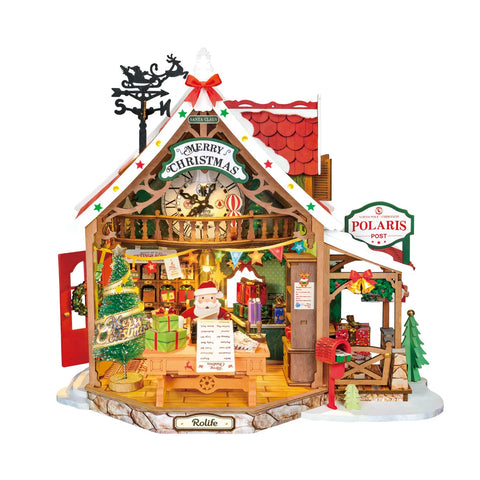
This guide explores three popular types of DIY kits: Rolife book nooks, miniature houses and ROKR mechanical models. You'll also find six specific product recommendations, practical buying tips and suggestions for matching a kit to your interests and building preferences.
Start With What You Want to Do, Not Just What You Want to Own
It’s easy to choose a kit because the finished photo looks great. That can work out, but a build can take several hours, so it’s worth asking what those hours will feel like. A kit you enjoy making usually ends up being a kit you enjoy looking at, too.
Do You Enjoy Creating Small Scenes?
If you like arranging tiny furniture, placing bookshelves and adding little details, you may enjoy scene-based kits. Book nooks and miniature houses tend to fit here. The work is often about patience and placement: fitting small wooden pieces together, positioning props and getting a corner of a room to look the way you pictured it.

People who like dollhouses, model railways or terrarium-style displays often find this type of build familiar. It tends to suit a slower, quieter pace.
Do You Prefer Assembling Structures and Exploring Mechanisms?
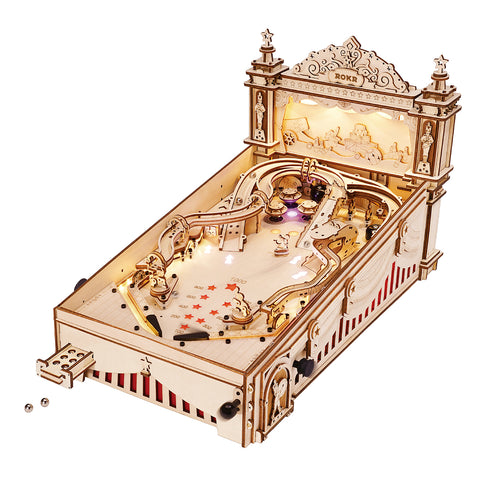
Some builders would rather see how something works. Mechanical model kits, such as the ROKR range of wooden puzzles with moving parts, usually involve fitting gears, levers or cranks and then testing whether the movement runs smoothly. The satisfying moment often comes late in the build, when you turn a handle and the mechanism responds.

If you’ve ever taken apart a clock or watched a marble run for longer than you meant to, this category may be worth a look.
Is the Finished Display Your Main Priority?
Maybe the build is simply the route to a nice object. That’s a perfectly good reason to buy a kit. In this case, the things to think about are size, lighting and where it will sit. A lit book nook can work well on a bookshelf, a miniature house can suit a desk or side table, and a mechanical model can become a conversation piece on a console or a windowsill.
Be honest with yourself here. If you mostly want the display, pick a build length you’re likely to finish.
Book Nooks vs. Miniature Houses vs. Mechanical Models
All three are DIY kits, but they ask different things of you. The table below is a general comparison. Individual kits vary, so the product page is always the best source for the specifics of any one kit.
Swipe left to view the full comparison.
| Kit Type | What You’ll Make | Example Build Tasks | What to Verify | Display Checks |
|---|---|---|---|---|
| Book Nook Kits | A small scene designed to sit between books on a shelf | Assembling a wooden frame, fitting furniture and props, adding small details, sometimes connecting lighting | Whether lighting is included, whether glue or tools are needed, and the finished width and depth | Whether it fits your shelf gap, whether the light needs a power source and whether the back panel works with your shelf |
| Miniature House Kits | A freestanding model room or house, often with furniture | Building walls and floors, placing furniture, adding decorations, sometimes wiring a light | Piece count, instructions, included tools and whether a dust cover is part of the kit | Finished dimensions, surface space, access to a power outlet and how easily it can be dusted |
| Mechanical Model Kits | A wooden or similar model with moving parts | Fitting gears and supports, joining panels, testing movement, adjusting tension | Whether it runs by hand, on electric power, or both; what power supply it needs and whether it is included; and how detailed the instructions are | Space for the moving parts, a stable surface and whether you can reach the crank or switch easily |
Check These Four Details Before You Buy
Once you have a general direction, a few practical checks can save frustration later.
The Build Steps, Not Just the Piece Count
A high piece count can sound impressive, but it doesn’t say much about how the build feels. A kit with many small, similar pieces may call for patience and good light. A kit with fewer, larger parts may go together faster. Look at how the instructions are described, whether there are step-by-step photos or a printed guide, and whether the build is split into sections you can finish one at a time.
Sections matter more than people expect. Being able to stop at a natural break, rather than halfway through a wall, makes it easier to fit a build around real life.
Assembly Time and How You Prefer to Work
Some builders like a single long evening. Others prefer twenty minutes here and there. If a kit mentions an estimated build time, treat it as a rough guide, because first-timers often take longer than experienced builders. If you tend to work slowly or want to enjoy the process, you may want to plan for more time than the estimate suggests.
Think about your usual routine, too. A kit that needs several uninterrupted hours may sit unfinished in a busy month, while one that breaks into short stages may suit that same month better.
Tools, Materials, and Power Requirements
Check what’s included and what isn’t. Some kits include small tools, and others may suggest you have your own tweezers, craft glue or a pair of cutters on hand. Lighting is worth a separate look. Many book nooks and miniature kits include LED lights, and the power source can differ from one product to the next, for example batteries or a USB connection. Mechanical models may be purely hand-driven or may include a motor.
It also helps to know whether the kit is meant to be glued. Some builds are designed to fit together without glue, which can make later adjustments easier, while others may expect a bit of adhesive for sturdiness.
Your Workspace and Finished Display Space
Two spaces matter: where you build and where it ends up. For building, a clear table, a tray to keep small pieces from rolling away and a good lamp can make a real difference. For display, check the finished measurements against your shelf or desk before ordering. Leave a little breathing room around the piece, especially if it has moving parts or a light you need to reach.
If the display space is a bookshelf, measuring the gap between books, as well as the depth of the shelf, is a simple step that avoids a disappointing fit.
Match a DIY Kit to Your Interests
If you’re still weighing options, these pairings may help. They’re starting points rather than rules.
For Someone Who Loves Detailed Scenes
If you enjoy reading, collecting books or creating attractive display spaces, a Rolife book nook could be an excellent choice.
Rolife Bookstore DIY Book Nook TGB07: Inspired by Shakespeare's Bookstore, this miniature scene includes tiny books, a red velvet sofa, coffee cups, scrolls and potted plants. Its greatest appeal is the combination of literary nostalgia and decorative value.

Who should choose it? Adults who want a literary-themed display and a manageable project that doesn't demand an entire weekend.
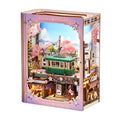
Rolife Sakura Densya DIY Book Nook TGB01: This Japanese-inspired book nook recreates a charming miniature street scene. With 340 pieces, a six-hour assembly time and a four-star difficulty rating, it's a more involved project for those who enjoy intricate details. Its appeal to adults lies in its atmospheric scenery and Japanese-inspired aesthetic. The finished model offers more than a decorative bookshelf insert; it's a miniature escape that can bring a sense of calm and visual interest to a personal space.

Who should choose it? Fans of Japanese culture, architecture and detailed miniature scenes who want a more demanding book nook project.
Both options offer the pleasure of creating a miniature world, but the Bookstore is the more approachable starting point, while Sakura Densya offers a longer and more challenging building experience.
For Someone Who Enjoys Structures and Mechanisms
If your favorite part of a project is understanding how its components work together, ROKR mechanical models may be more rewarding than decorative miniature scenes.
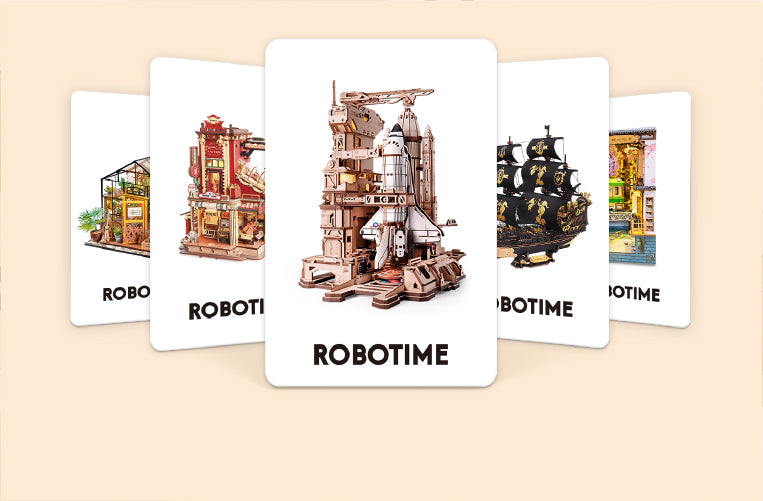
ROKR Marble Spaceport Marble Run LGC01: For adults who enjoy engineering, physics or watching complex mechanisms in motion, the Marble Spaceport is an interesting option. This futuristic wooden marble run combines tracks, gears, spirals and a ball-diversion system. It supports both manual and electric drive modes, allowing you to see how the assembled mechanism moves marbles through its different sections. For adults, its appeal comes from the combination of mechanical functionality and hands-on creativity.

Who should choose it? STEM enthusiasts, engineering-minded adults and anyone who enjoys interactive puzzles with moving parts. It's particularly suitable for someone who wants to build something they can operate and demonstrate afterward.
ROKR Mechanical Typewriter LK703B: This vintage-inspired model has a QWERTY keyboard and moving typebars that simulate typing. Pressing the keys can leave impressions on paper for a hands-on demonstration. Its nostalgic design makes it especially appealing to adults and is a suitable conversation starter.

Who should choose it? Writers, history enthusiasts, vintage technology fans and experienced builders who want a demanding project with a typing mechanism they can demonstrate.
These models demonstrate why mechanical DIY kits appeal to adult kidults. You're not simply assembling something that looks interesting; you're creating a functional mechanism that you can demonstrate and enjoy after completing the build.
For Someone Choosing Their First DIY Project
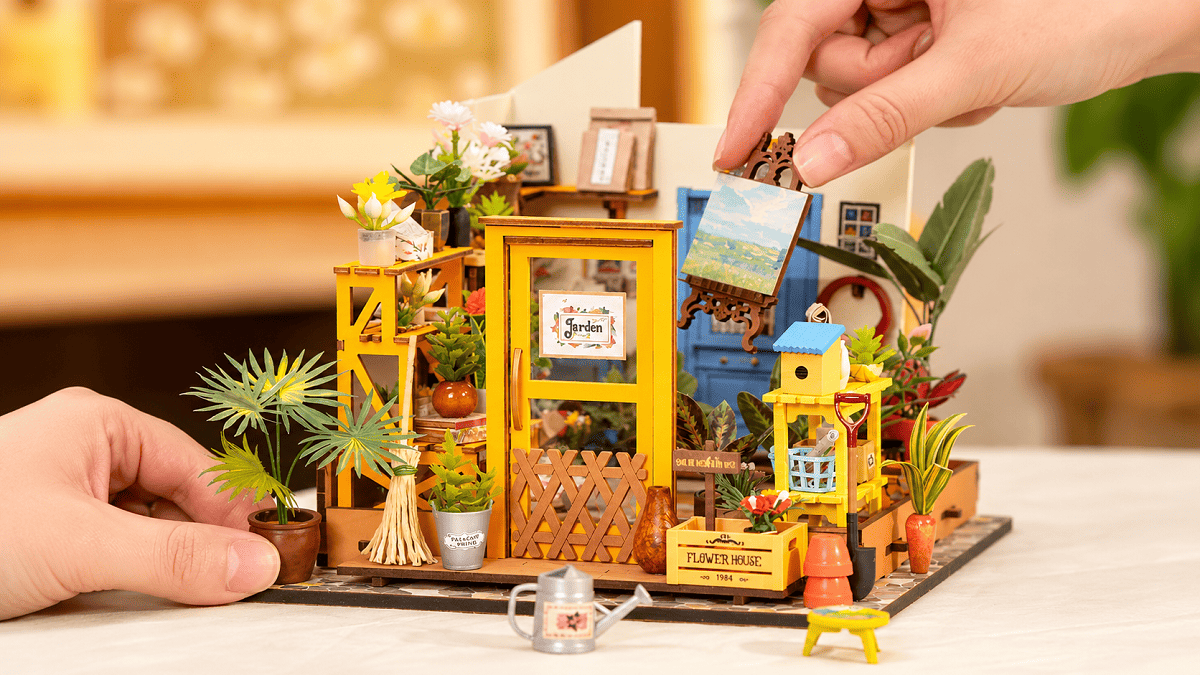
Tipsy Restaurant is the more approachable of these two builds at about 5 hours and 3 out of 5 for difficulty. Cathy’s Flower House takes about 7.5 hours and is rated 4 out of 5. It suits a first-time builder who wants a challenge and is happy to spread the work over several sessions.
For a first build, a compact project with clear instructions and a manageable difficulty level is usually a sensible starting point. However, your interests should still influence the choice.
Rolife Cathy's Flower House DG104: This miniature greenhouse is a good match for adults who enjoy gardening, flowers and interior decoration. It includes tiny plants, flower racks, vases and other greenhouse accessories. What makes it appealing to adults is the opportunity to recreate the relaxing atmosphere of a greenhouse without needing an actual garden. Plant lovers can enjoy arranging miniature greenery, experimenting with visual composition and creating a decorative piece that reflects their interests.

Who should choose it? Adults who love gardening, floral décor, interior styling and hands-on creative projects. It's also a good option for someone who enjoys arranging small objects and paying attention to visual details.
Rolife Tipsy Restaurant DG167: This miniature restaurant recreates a cozy dining environment with tiny food items, drinks, furniture and decorative details. Its adult appeal comes from the storytelling possibilities and attention to everyday details. Building the restaurant gives you the chance to arrange a miniature dining space, while the completed model can become a charming decoration for a desk, shelf or craft room.

Who should choose it? Food enthusiasts, café lovers and adults who enjoy building miniature versions of familiar everyday places. Its moderate difficulty also makes it worth considering as a first miniature-house project.
If you're completely new to miniature building, compare the difficulty ratings and estimated assembly times before deciding. A smaller, simpler kit may be a more comfortable introduction than a detailed greenhouse.
The best first project is ultimately one that genuinely interests you. That enthusiasm can make it easier to stay motivated when assembly becomes challenging.
What a First-Time Builder Should Know
A few habits can make the first build go more smoothly.
- Read the instructions first: Skim through the full guide before you start so the order of steps makes sense.
- Sort the pieces: A small tray or a few bowls can keep similar parts separate and easier to find.
- Test fit before gluing: If your kit uses glue, dry-fitting a piece first can save you from a crooked join.
- Work in good light: Small parts and fine details are easier to handle when you can see them clearly.
- Take breaks: Stopping at a natural step often leads to cleaner work than pushing on when your hands are tired.
- Expect a learning curve: Your first build may go slower than the estimate on the box, and that’s normal.
It’s also fine to treat the first kit as practice. Most people find the second one goes together more easily, and by then you’ll have a better sense of what you like.
FAQs
What does “kidult” mean?
Kidult is a casual term for an adult who enjoys toys, games and hobbies often thought of as being for children. In the DIY kit world, it usually refers to grown-ups who like building models, puzzles and miniature scenes.
Is a DIY kit a good gift for someone who has never built one?
It can be, particularly if you choose something that matches a hobby they already enjoy, such as books, music or clocks. A compact kit with clear instructions is usually a friendlier starting point than a very large build.
How do I keep a finished kit from collecting dust?
A soft brush or a gentle puff of air can help with light dusting. Some kits come with or can be paired with a dust cover, which may make cleaning easier. Keeping the piece away from open windows and heavy foot traffic can also help.
Can I display a DIY kit without a cabinet?
Many people do. Shelves, desks and side tables are common spots. If the kit has delicate parts or moving pieces, choose a stable surface away from the edge, and check the product details for any display suggestions.


Quincy Ihendeson
Quincy is an experienced writer, passionate about creating engaging blogs. She has been researching and crafting high-quality content since 2023. She currently contributes to Robotime, sharing her DIY journey and stories.
Robotime is a creative lifestyle company dedicated to designing and developing 3D puzzles, toys, and wooden handicrafts. Subscribe to learn more.
Enjoy Robotime building guides and creative inspiration?
Add Robotime as a Preferred Source on Google to see more of our latest stories in Search.
 Add Robotime to your Preferred Sources
Quincy Ihendeson
Quincy is an experienced writer, passionate about creating engaging blogs. She has been researching and crafting high-quality content since 2023. She currently contributes to Robotime, sharing her DIY journey and stories.
Robotime is a creative lifestyle company dedicated to designing and developing 3D puzzles, toys, and wooden handicrafts. Subscribe to learn more.





Leave a comment
This site is protected by hCaptcha and the hCaptcha Privacy Policy and Terms of Service apply.