




Ever wondered how a simple idea turns into a blind box art toy that collectors proudly display on their shelves?
At first glance, a blind box figure may look like a small collectible, but behind it is a detailed creative and production process. Every character starts with an idea, then moves through sketching, storytelling, digital sculpting, material selection, color testing, craftsmanship, quality control, and finally the collector’s display shelf.
So, let’s take a closer look at how blind box art toys go from a rough creative idea to a finished collectible.
Every Great Character Starts With an Idea
Every blind box art toy starts with a simple idea, but a successful idea is more than just creating something cute. Artists usually begin by thinking about the emotion, theme, and personality behind the character.

Should the toy feel playful, dreamy, spooky, funny, nostalgic, or elegant? Should it remind collectors of childhood memories, street fashion, fantasy worlds, food culture, animals, or everyday objects?
For example, a dessert-themed blind box series may include characters inspired by cupcakes, donuts, ice cream, and bubble tea. However, to make the collection memorable, each character needs its own personality.
A cupcake character might look shy and gentle, while a bubble tea character could feel cheerful and energetic. These small creative choices help each figure stand out.
Storytelling is also important at this stage. Collectors often connect more deeply with a figure when it feels like it has a world behind it. A tiny astronaut, a sleepy forest creature, or a character wearing a raincoat becomes more interesting when there is a small story attached.
The backstory does not have to be complicated, but it should give the figure meaning and make it feel like more than a decorative object.
Creating a Complete Collectible Series
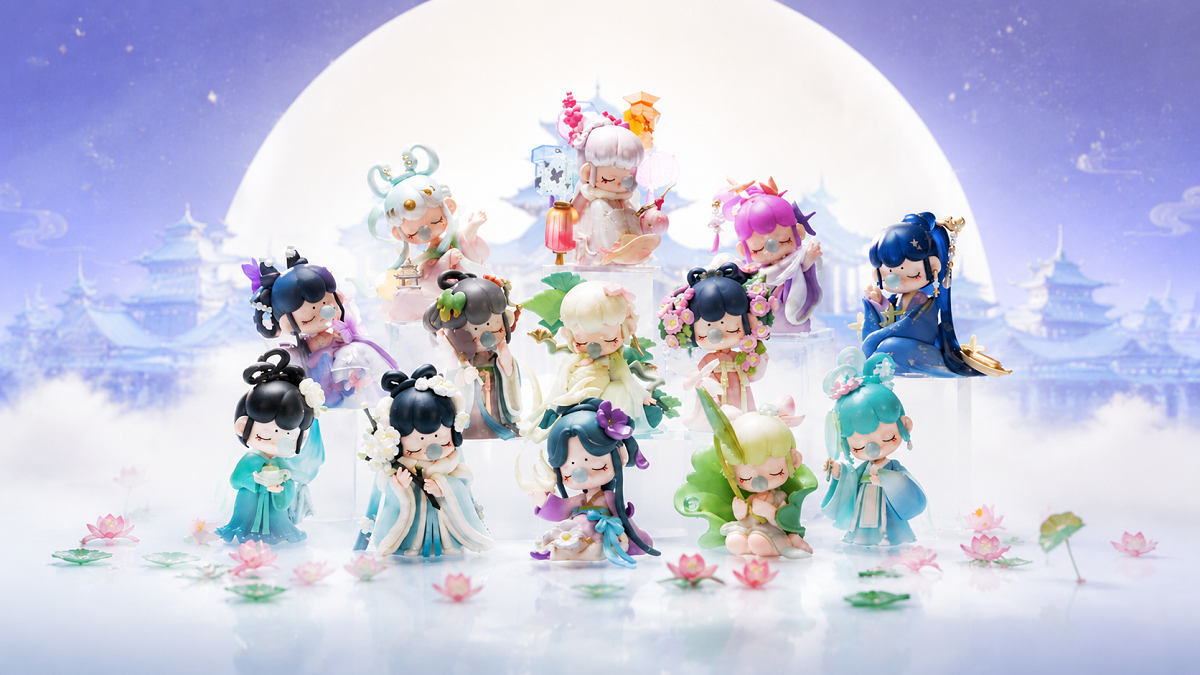
Artists also think about how each character will work as part of a full collectible series. Blind box collections usually include several figures, and each one should feel different while still belonging to the same overall theme.

This connection may come from a shared color palette, similar body proportions, matching accessories, or a consistent illustration style. The characters should look like they belong in the same world without appearing identical.
Some figures may be common, while others may be rare or special editions. A rare character might feature an alternate outfit, an unusual pose, a different finish, or an accessory that does not appear with the standard figures.
This balance makes collecting more exciting because buyers are not only purchasing individual toys. They are discovering a complete world one character at a time.
That world can also extend beyond the figures themselves. A character may inspire a miniature room, a tiny shop, a fantasy street, or a book nook that gives collectors another way to explore its story.
When every figure contributes something new to the collection, the full series feels more engaging, connected, and rewarding to complete.
From Sketch to Character Design
Once the idea is ready, artists begin sketching. This stage is where the character starts to take shape visually.

Artists experiment with different poses, facial expressions, outfits, accessories, and body proportions until the figure feels right. They may create several versions before selecting the design that best communicates the character’s personality.
However, sketching for an art toy is different from drawing an illustration. A design that looks good on paper may not always work as a physical object.
For example, very thin arms, oversized accessories, or tiny fragile details may be difficult to produce or easy to break. That is why artists often create sketches from different angles, including front, side, and back views.
These sketches help answer practical questions. Will the figure stand properly? Is the head too heavy? Are the small details easy to paint? Can the character be molded cleanly?
Artists must also consider whether the expression and design will still look attractive when reduced to a small collectible size.
By solving these questions during the sketching stage, the team can avoid larger problems later in the production process.
From Digital Sculpting to Prototype
After the sketch is approved, the character moves into digital sculpting. Using 3D modeling software, artists create a detailed version of the figure with real shape, depth, and volume.

This allows the team to inspect the character from every angle before making a physical prototype. Small adjustments can be made to the face, body, pose, or accessories without immediately producing a new sample.
The prototype is one of the most important parts of the process. It allows artists and manufacturers to see how the toy looks and feels in real life.
They can check the balance, size, expression, surface texture, and overall appeal. Sometimes a prototype reveals problems that were not obvious in the original sketch or digital model.
The feet may need to be wider, the face may require more depth, or an accessory may need to be simplified. The pose might also need to be adjusted so the character stands securely.
This stage often involves several rounds of revision. A great blind box art toy is rarely perfect on the first attempt.
Even small changes to the eyes, head position, or body shape can make a major difference in the final result.
Materials and Craftsmanship
A great design deserves the right materials. The material affects how the figure looks, feels, and lasts over time.
Many blind box art toys are made from materials such as PVC, vinyl, ABS, or resin, depending on the design style and production requirements.
A soft and rounded character may work well with vinyl or PVC because these materials can create smooth shapes and clean finishes. A figure with structured parts or sharper accessories may require a stronger material such as ABS.
Premium or limited-edition figures may also include special details such as matte coatings, glossy surfaces, metallic paint, translucent pieces, or textured finishes.
Material choice is not only about appearance. It also affects durability. Collectors want figures that feel solid, stand properly, and maintain their color and finish over time.
Craftsmanship plays an equally important role. Clean molding, smooth surfaces, careful assembly, and accurate paint application all help bring the artist’s original vision to life.
The real challenge is consistency. Producing one beautiful prototype is easier than producing hundreds or thousands of figures that all match the approved design.
Every piece must maintain the same proportions, expressions, colors, and overall quality.
Why Does Packaging Matter for Collectibles?
What makes opening a blind box so exciting? It is the anticipation of not knowing which character is waiting inside.

The packaging supports this experience by keeping the figure hidden while introducing the collection’s theme through colors, illustrations, and series artwork. A space-themed collection might use galaxy-inspired designs, while a forest-themed series may feature leaves, mushrooms, or animal illustrations.
Standard blind box collectibles often use printed paperboard boxes, while premium editions may use magnetic rigid boxes for better protection and a more refined unboxing experience.
Good packaging should preserve the mystery, protect the collectible, and make the reveal feel special. However, it should not take attention away from the creativity and craftsmanship of the figure itself.
The Details Behind Every Finished Figure
Creating the character is only part of the journey. Before a blind box art toy is ready for collectors, every figure must go through painting, finishing, inspection, and packing.
Painting is one of the most delicate stages. Small collectibles often include tiny details such as eyes, cheeks, patterns, buttons, shoes, or accessories.
These details need to be applied cleanly and consistently. A slight mistake in the eyes or mouth can completely change the character’s expression.
Color matching is also important. The final figure should match the approved sample as closely as possible.
If the original design uses soft pastel tones, the production version should not look too dark or overly bright. If a special edition includes metallic or glossy paint, the finish must look smooth and intentional.
Finishing touches can include matte coatings, shine effects, textured surfaces, or small assembled components. These details help make the figure feel complete.
For example, a glossy finish on a candy-themed character can make it look sweet and polished, while a matte finish on a dreamy figure may create a softer and more artistic appearance.
Quality Control and Final Inspection
After painting and finishing, each figure goes through quality control.
Inspectors check for paint mistakes, scratches, molding defects, loose parts, rough edges, incorrect colors, and assembly issues. This step is especially important because collectors pay close attention to small details.
A paint smudge around the eyes or a poorly attached accessory can affect the character’s expression and overall value. Even minor inconsistencies may become noticeable when several figures from the same series are displayed together.
The figure must also stand properly and feel stable. Accessories should be securely attached, and movable or removable parts should function as intended.
Quality control teams compare finished figures with the approved sample to ensure that the colors, proportions, and surface details remain consistent.
Only after passing inspection is the figure packed into its blind box packaging.
At this point, the toy is no longer simply a production item. It is ready to become part of someone’s collection, miniature scene, book nook, or carefully arranged display.
The Joy of Unboxing
There’s a reason blind box art toys have become so popular. The excitement does not begin when collectors see the figure. It begins the moment they pick up the box.

The mystery is the main attraction. Not knowing which character is inside creates curiosity, suspense, and excitement. Every unboxing feels like a small surprise event. A collector might receive the character they wanted most, discover a figure they did not expect to love, or even find a rare chase figure.
The package controls the reveal by keeping the character hidden until the collector opens it. That brief moment of discovery often becomes just as memorable as owning the figure.
For many collectors, the joy also comes from the hunt. Completing a full series can feel rewarding, especially when certain characters are more difficult to find. Trading duplicates, searching for rare figures, and sharing unboxing videos online all contribute to the culture surrounding blind box collectibles.
The best blind box experiences combine design, surprise, emotion, and community. Collectors may remember not only which character they received, but also how they felt when they discovered it.
Displaying Your Collection
The creative experience does not end after the unboxing. Once collectors find their favorite blind box art toys, they often want to display them in ways that highlight each figure’s personality. Some collectors arrange figures by series, color, theme, size, or rarity. Others use shelves, acrylic risers, LED lights, glass cabinets, miniature rooms, book nooks, or themed backgrounds.
A forest-inspired series may look attractive inside a miniature woodland scene with natural colors and wooden details. A futuristic collection may work better with clear acrylic stands, modern lighting, and a city-inspired background.
Miniature scenes can also bring the character’s story to life. A figure holding a book could be placed inside a tiny library or book nook. A bakery-themed character might be displayed in a miniature café filled with small cakes, shelves, tables, and accessories.
These displays make the figures feel like they belong to a living world rather than simply sitting on a shelf. Collectors can also change the scenes over time, creating new stories and arrangements using the same figures.
Caring for Blind Box Art Toys
Display planning is not only about appearance. It also helps protect the figures and preserve their condition. Direct sunlight should be avoided because it can fade colors over time, particularly on brightly painted or pastel figures.
Dust can collect around facial details, textured areas, and small accessories. A soft cloth or gentle brush can be used to clean the figures carefully. Harsh cleaning products should be avoided because they may damage the paint, coating, or surface finish.
Collectors should also handle figures carefully, especially when they include delicate accessories, thin parts, or special finishes. A covered shelf, glass cabinet, or acrylic display case can provide additional protection. Some collectors keep the original packaging, particularly for rare or limited-edition figures. The box can help protect the collectible during storage, transportation, resale, or trading.
With the right care, blind box art toys can remain attractive for years. They can continue bringing creativity and personality to a desk, room, miniature scene, book nook, or collector shelf long after the initial unboxing.
Conclusion
Blind box art toys combine creativity, craftsmanship, storytelling, and surprise in one small collectible. From the first sketch to the final display, every stage helps bring the character and its world to life. Whether displayed as part of a collectible series, miniature scene, or book nook, each figure offers a creative experience that continues long after unboxing.
Related Reading: Blind Box vs Mystery Box: What's the Difference?


Lena Zhang
A freelance photographer and blogger who loves collecting Rolife miniature houses so her vinyl figurines can have different homes to live in.
Robotime is a creative lifestyle company dedicated to designing and developing 3D puzzles, toys, and wooden handicrafts. Subscribe to learn more.
Enjoy Robotime building guides and creative inspiration?
Add Robotime as a Preferred Source on Google to see more of our latest stories in Search.
 Add Robotime to your Preferred Sources
Lena Zhang
A freelance photographer and blogger who loves collecting Rolife miniature houses so her vinyl figurines can have different homes to live in.
Robotime is a creative lifestyle company dedicated to designing and developing 3D puzzles, toys, and wooden handicrafts. Subscribe to learn more.


Leave a comment
This site is protected by hCaptcha and the hCaptcha Privacy Policy and Terms of Service apply.