


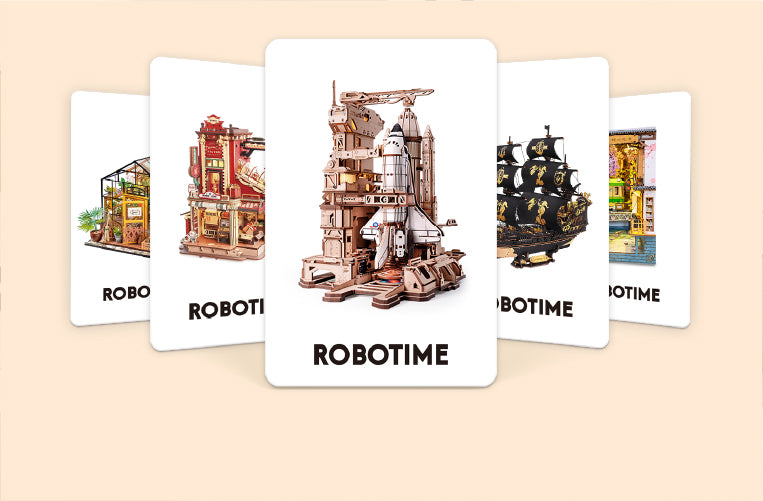



Some skills make everyday life easier without us even realizing they're at work. Finding your parked car in a crowded lot, assembling new furniture, reading a map, solving a puzzle, or imagining how a room would look after moving the couch all rely on one important ability: spatial reasoning.
The good news? Spatial reasoning isn't something you're simply born with. Like a muscle, it becomes stronger with regular practice, and one of the most enjoyable ways to develop it is through games.
In this guide, you'll learn what spatial reasoning games are, why they matter, the different types available, and the best games for every age group. Whether you're shopping for educational toys, planning family game nights, or simply looking for a rewarding hobby, you'll find plenty of ideas to strengthen your spatial thinking while having fun.
What Are Spatial Reasoning Games?
Spatial reasoning games are activities that challenge players to understand, manipulate, and visualize objects in two- or three-dimensional space. They require players to think about how shapes fit together, rotate mentally, recognize patterns, judge distances, or predict how an object will look from different perspectives.
Unlike games that focus mainly on vocabulary or memorization, spatial reasoning games encourage visual thinking and problem-solving. Players often have to imagine movements before making them, making these games excellent exercises for the brain. Some of these include jigsaw puzzles, building blocks, and chess.
Why Spatial Reasoning Matters

Improves Problem-Solving Skills
Most spatial games present a challenge with multiple possible solutions. Players learn to analyze situations, experiment with different approaches, and recognize patterns that lead to success. These experiences strengthen logical thinking that transfers into real-world tasks.
Supports STEM Learning
Research consistently shows that strong spatial reasoning correlates with success in:
- Mathematics
- Engineering
- Architecture
- Physics
- Computer science
- Robotics
Students who practice spatial thinking often find geometry, graph interpretation, and technical drawing easier.
Strengthens Memory and Concentration
Many spatial games require remembering object positions, sequences, or structural layouts while planning future moves. This combination improves the following:
- Working memory
- Attention span
- Focus
- Mental flexibility
Encourages Creativity
Visualizing different arrangements or imagining finished structures stimulates creative thinking. Artists, designers, engineers, and architects all rely heavily on spatial visualization during the creative process.
Develops Fine Motor Skills
Hands-on spatial games combine cognitive challenges with physical manipulation. Children improve:
- Hand-eye coordination
- Dexterity
- Precision
- Finger strength
Adults also benefit from activities that combine mental and physical engagement.
Builds Confidence
Successfully completing increasingly difficult spatial challenges creates a sense of accomplishment that encourages persistence and resilience.
Different Types of Spatial Reasoning Games
Building and Construction Games
Building toys encourages players to create stable structures while considering balance, symmetry, and three-dimensional relationships.

Examples include:
- Wooden blocks
- Magnetic tiles
- LEGO® sets
- Marble runs
These games are especially beneficial for younger children because they introduce engineering concepts naturally through play.
Puzzle Games
Puzzles require players to recognize patterns, rotate shapes mentally, and determine how pieces connect.
Popular examples include:
- Jigsaw puzzles
- Tangrams
- Sliding puzzles
- Cube puzzles
Difficulty can range from beginner-friendly to highly advanced.
3D Wooden Puzzles and DIY Models

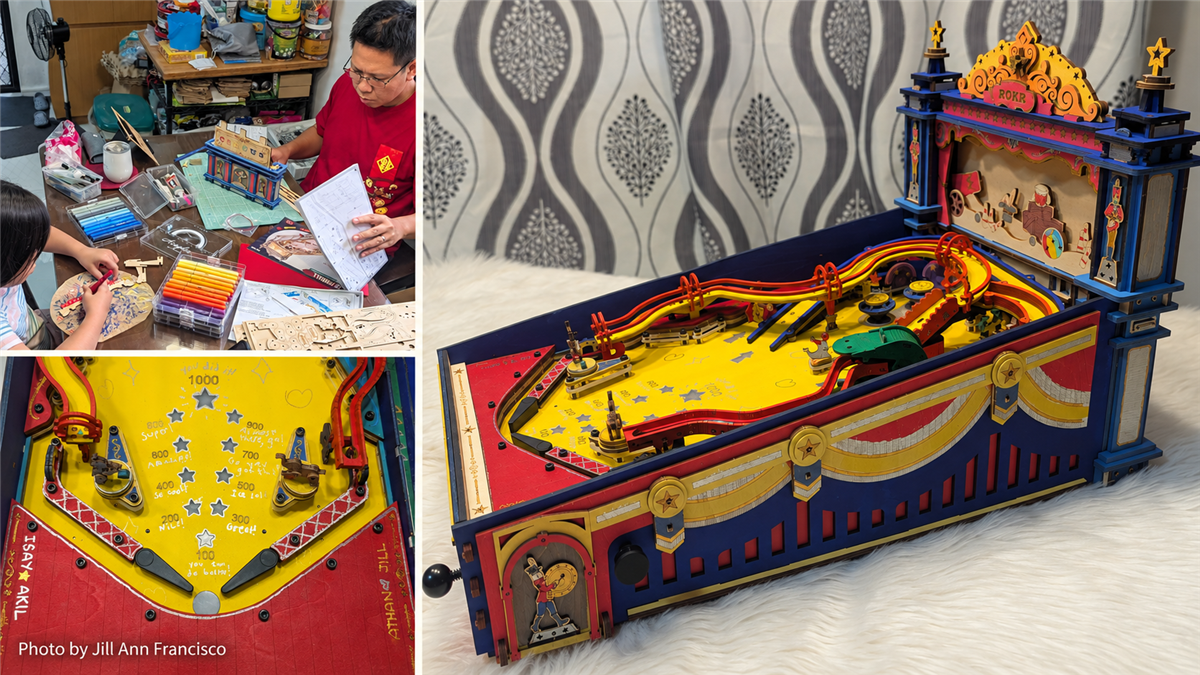
Unlike traditional flat puzzles, 3D wooden puzzles require builders to understand how multiple layers fit together to form a complete structure. Because every piece affects the final result, builders constantly visualize future steps, interpret diagrams, and think in three dimensions. This makes them an excellent hands-on spatial reasoning activity for teens and adults.
Strategy Board Games
Many classic strategy games involve spatial awareness alongside planning. Examples include:
- Chess
- Blokus
- Azul
- Hive
Players constantly evaluate positions, anticipate movements, and visualize future board states.
Logic and Pattern Games
Logic games strengthen mental rotation and sequencing. Examples include:
- Sudoku variants
- Shape sequencing games
- Pattern recognition challenges
- IQ puzzle games
Best Spatial Reasoning Games for Kids

Building Blocks
Simple wooden blocks remain one of the best early learning tools. They are ideal for those aged between 2 and 6 years. The benefits of these include:
- Understanding balance
- Shape recognition
- Creativity
- Fine motor development
Magnetic Tiles
Magnetic construction sets make building easier while introducing three-dimensional structures. They are suitable for kids aged 3 and 10 years. Children naturally explore geometry, symmetry, and problem-solving, and these games would fit into their interests.
Tangrams
Tangrams are suitable for kids aged 5 years and above. They are games that teach children how shapes combine to create larger images. They strengthen:
- Visual discrimination
- Mental rotation
- Pattern recognition
Simple Jigsaw Puzzles
Progressively difficult puzzles help children:
- Recognize patterns
- Improve concentration
- Understand spatial relationships
Choose puzzles that match the child's developmental stage.
Best Spatial Reasoning Games for Adults

Chess
Chess requires players to mentally visualize future positions while planning multiple moves ahead. It strengthens:
- Strategic thinking
- Spatial memory
- Pattern recognition
Rubik's Cube
The Rubik's Cube remains one of the most effective spatial reasoning exercises ever created. It improves:
- Mental rotation
- Sequencing
- Algorithmic thinking
- Patience
Complex Jigsaw Puzzles
Large puzzles, including options in Robotime's wooden jigsaw puzzle collection, encourage the following:
- Visual scanning
- Shape matching
- Long-term focus
3D Wooden Mechanical Puzzles
Mechanical wooden puzzles combine engineering principles with spatial reasoning. Builders must:
- Interpret diagrams
- Assemble moving mechanisms
- Understand gear interactions
- Visualize multiple assembly layers
The finished model serves as both a rewarding accomplishment and an attractive display piece, making these puzzles appealing to hobbyists who enjoy learning through hands-on building.
Escape Room Games
Whether physical or tabletop, escape room games challenge players to manipulate objects, identify patterns, and solve spatial puzzles under time pressure.
Best Games for Families

Building Challenges
Families can work together using:
- Building blocks
- Magnetic tiles
- Construction kits
These activities naturally encourage teamwork and creative thinking.
Blokus
Blokus is simple to learn but offers surprisingly deep spatial strategy. Players must think ahead while fitting uniquely shaped pieces onto the board.
Guess-the-Structure Challenges
One family member secretly builds a structure while others recreate it using verbal instructions alone.
This develops:
- Visualization
- Communication
- Perspective-taking
How to Choose the Right Game
- Age and Skill Level: Beginners benefit from straightforward activities with quick wins, while experienced players often prefer games that require deeper planning or multi-step problem-solving. Choosing an appropriate difficulty helps maintain motivation without causing frustration.
- Learning Goals: Think about the skills you want to strengthen, like mental rotation, logic, creativity, and fine motor skills. Different games emphasize different abilities.
- Individual vs. Group Play: Some games provide relaxing solo challenges. Others encourage family bonding, friendly competition, and cooperative problem-solving. Choose based on how you plan to play.
- Hands-On or Digital: Digital games offer convenience and interactive environments, while physical games provide tactile experiences that engage both the mind and hands. A mix of both can offer a well-rounded way to build spatial reasoning skills.
- Replay Value: Open-ended construction toys and strategy games often remain engaging over time because every session presents new possibilities. Puzzles with increasing difficulty levels or multiple ways to play can also provide lasting value.
FAQs
What age should children start playing spatial reasoning games?
Many children begin developing spatial reasoning through simple block play between ages two and three. As they grow, activities like tangrams, jigsaw puzzles, and construction games can gradually introduce more complex spatial concepts.
Are spatial reasoning skills learned or inherited?
While some people naturally find spatial tasks easier than others, research suggests these skills can improve significantly with consistent practice. Regular exposure to puzzles, construction activities, and strategy games helps strengthen spatial thinking over time.
How often should someone play spatial reasoning games?
Even short sessions of 15 to 30 minutes several times a week can help develop spatial skills. Consistency matters more than long, infrequent play sessions.
Are 3D wooden puzzles good for beginners?
Yes. Many beginner-friendly 3D wooden puzzle kits are designed with clear instructions and manageable piece counts, making them an accessible introduction to hands-on spatial reasoning. As builders gain confidence, they can progress to more detailed mechanical or architectural models.
Final Thoughts
Spatial reasoning games offer far more than entertainment. They sharpen problem-solving, strengthen visual thinking, improve concentration, and nurture creativity across every stage of life.
Find games that match your interests and experience level. When learning feels enjoyable, practicing spatial reasoning becomes a habit; and over time, those small mental challenges can translate into greater confidence, stronger critical thinking, and a deeper appreciation for the way we understand the world around us.


Quincy Ihendeson
Quincy is an experienced writer, passionate about creating engaging blogs. She has been researching and crafting high-quality content since 2023. She currently contributes to Robotime, sharing her DIY journey and stories.
Robotime is a creative lifestyle company dedicated to designing and developing 3D puzzles, toys, and wooden handicrafts. Subscribe to learn more.
Enjoy Robotime building guides and creative inspiration?
Add Robotime as a Preferred Source on Google to see more of our latest stories in Search.
 Add Robotime to your Preferred Sources
Quincy Ihendeson
Quincy is an experienced writer, passionate about creating engaging blogs. She has been researching and crafting high-quality content since 2023. She currently contributes to Robotime, sharing her DIY journey and stories.
Robotime is a creative lifestyle company dedicated to designing and developing 3D puzzles, toys, and wooden handicrafts. Subscribe to learn more.




Leave a comment
This site is protected by hCaptcha and the hCaptcha Privacy Policy and Terms of Service apply.